





What's Happening?
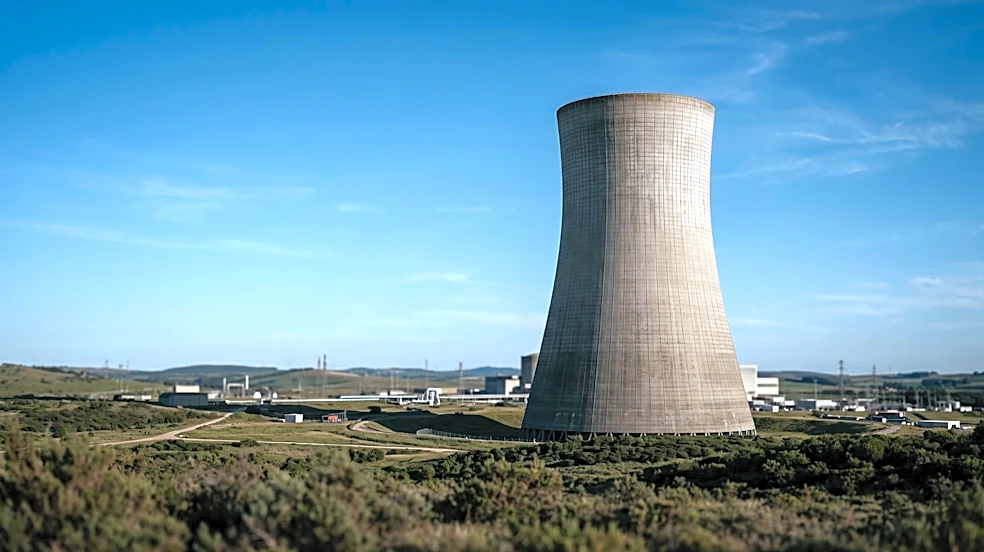
Representatives from Idaho Power, Rocky Mountain Power, and Avista met with state utility regulators in a public forum outside Boise to discuss the potential role of nuclear power in meeting Idaho’s electricity demands. While acknowledging nuclear energy
as a reliable and clean power source that could diversify electricity supplies, the utilities highlighted significant challenges. These include high construction costs and lengthy permitting processes, which can extend to 10 years or more. Utility officials emphasized that these hurdles make it difficult to adhere to the state's requirement of pursuing the lowest-cost, lowest-risk options for consumers. The Idaho Public Utilities Commission did not have a specific nuclear proposal before it and took no action, with the forum serving as an opportunity for listening and discussion.
Why It's Important?
The discussion around nuclear power in Idaho is important because it reflects a broader national conversation about energy diversification, grid reliability, and climate goals. For Idaho, a state with growing energy needs, exploring nuclear options could provide a stable, carbon-free power source, reducing reliance on fossil fuels and intermittent renewables. However, the high costs and extended timelines associated with nuclear plant construction pose substantial financial risks and regulatory burdens for utility companies and, ultimately, ratepayers. The utilities' concerns about meeting the 'lowest-cost, lowest-risk' mandate underscore the economic complexities of transitioning to new energy sources, potentially impacting consumer electricity bills and the state's energy policy framework. The outcome of these discussions could influence future energy infrastructure investments and regulatory decisions in Idaho.
What's Next?
While no immediate action was taken by the Idaho Public Utilities Commission, the forum signals ongoing consideration of nuclear power as part of Idaho's long-term energy strategy. Future steps will likely involve continued dialogue between utilities, regulators, and potentially state lawmakers to address the identified challenges. This could include exploring policy mechanisms to mitigate financial risks for utilities, streamlining permitting processes, or investigating federal funding opportunities for nuclear projects. Rocky Mountain Power's existing 40-year agreement to purchase electricity from a TerraPower nuclear project in Kemmerer, Wyoming, suggests a potential model for other Idaho utilities, focusing on power purchase agreements rather than direct plant ownership. The state will need to balance the desire for clean, reliable energy with economic feasibility and regulatory compliance.
Beyond the Headlines
The conversation about nuclear power in Idaho extends beyond immediate energy needs, touching upon broader implications for technological innovation, environmental stewardship, and regional energy independence. Idaho National Laboratory's historical connection to nuclear energy research, as highlighted by Governor Brad Little, positions the state as a potential hub for advanced nuclear technologies. This could foster economic development through research, job creation, and the establishment of a skilled workforce. However, public perception and safety concerns surrounding nuclear power remain a critical factor, requiring transparent communication and robust regulatory oversight. The long-term shift towards nuclear energy could also influence Idaho's role in the Western Interconnection grid, potentially enhancing regional energy security and stability.