







What's Happening?
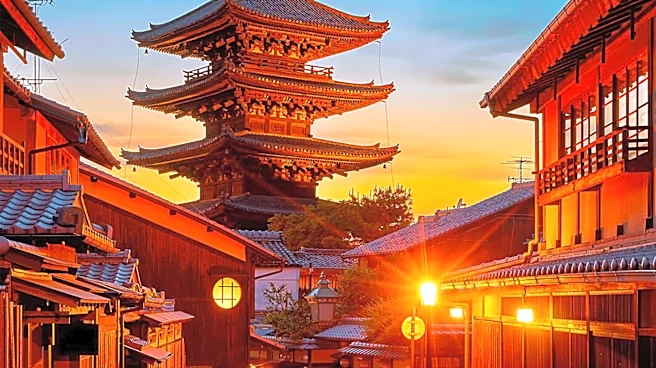
Kyoto, Japan, a city with over a millennium of history as the nation's capital, is a prominent destination for travelers seeking cultural immersion. The city is home to 17 World Heritage Sites, including the notable Kiyomizudera Temple and Heian Jingu
Shrine. During December, Kyoto provides a reflective and traditional atmosphere, distinct from the more festive spectacle found in Tokyo. Visitors can explore traditional Japanese townhouses, known as Kyo-Machiya, and engage in guided tours to learn about the geisha culture and history. The city offers various accommodation options, from monthly rentals to property purchases, with services available for those unable to visit in person. Planning an itinerary around specific times, such as early mornings for popular sites like Fushimi Inari Taisha and Kinkaku-ji, is crucial to avoid crowds and enhance the experience. The city's public transportation, including buses and subway lines, is efficient, though an IC card like ICOCA or Suica is recommended for ease of travel. Two to three full days are suggested for a comprehensive visit, allowing time to explore key areas like Higashiyama, Arashiyama, and Gion.
Why It's Important?
Kyoto's enduring appeal as a cultural and historical hub highlights the global interest in preserving and experiencing traditional heritage. The city's focus on timed itineraries and crowd management for its popular sites, such as Fushimi Inari Taisha and Kinkaku-ji, demonstrates a proactive approach to sustainable tourism. This strategy is vital for maintaining the quality of visitor experience and protecting historical landmarks from the adverse effects of over-tourism. The availability of diverse accommodation and guided tours, including those focused on geisha culture, supports local economies and provides authentic cultural exchanges. The emphasis on public transportation and the recommendation of IC cards underscore the importance of efficient urban planning and visitor convenience, which can serve as a model for other major tourist destinations. For the U.S. travel industry, Kyoto's success in blending tradition with modern visitor management offers insights into catering to culturally curious travelers and promoting responsible tourism practices.
What's Next?
Travelers planning a visit to Kyoto should prioritize booking accommodations and tours in advance, especially during peak seasons, to secure desired experiences and avoid crowds. Utilizing resources like live congestion forecasts can help optimize daily itineraries, allowing for more peaceful visits to popular attractions. Continued development of guided tours and cultural experiences, such as those exploring Kyo-Machiya and geisha traditions, is expected to further enrich visitor options. The city will likely continue to refine its crowd management strategies, potentially expanding timed entry systems or promoting lesser-known sites to distribute tourist flow. For those interested in longer stays or property investment, services facilitating these options will remain available. Visitors should also be aware of local customs, such as not eating while walking in certain areas like Gion, to ensure respectful engagement with the local culture.
Beyond the Headlines
Kyoto's approach to tourism extends beyond mere sightseeing, delving into the deeper implications of cultural preservation and authentic engagement. The city's efforts to manage crowds at iconic sites reflect a broader challenge faced by many historical destinations worldwide: balancing accessibility with conservation. By encouraging early morning visits and promoting a slower pace of travel, Kyoto fosters a more contemplative and respectful interaction with its heritage. The emphasis on local experiences, such as exploring Kyo-Machiya and understanding geisha culture through guided tours, moves beyond superficial observation to offer genuine insight into Japanese traditions. This model encourages visitors to become temporary residents rather than transient tourists, fostering a deeper appreciation for the local way of life. The city's blend of ancient traditions and modern conveniences, including efficient public transport and diverse accommodation, illustrates a successful integration of past and present, offering a blueprint for other cities striving to maintain their unique identity in a globalized world.