






What's Happening?
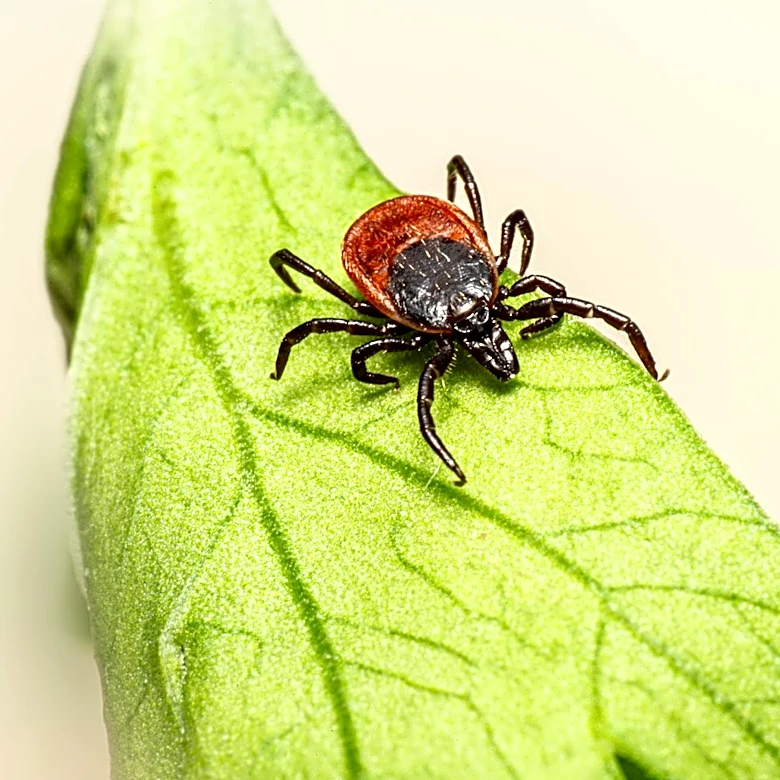
Emergency room visits for tick bites have surged to their highest levels since 2017, particularly in the Northeast and Midwest regions of the United States. This increase is attributed to warmer temperatures, which have led to heightened tick activity,
according to the Centers for Disease Control and Prevention (CDC). Lyme disease, the most common tick-borne illness in the U.S., affects approximately 476,000 people annually. The disease is caused by the bacterium Borrelia burgdorferi, transmitted through bites from infected blacklegged ticks. The CDC has issued warnings as the Northeast states report the largest increase in tick-related ER visits, with the Midwest following closely. The rise in tick populations is linked to climate change, warmer winters, and expanding habitats, allowing ticks to thrive and spread into new areas.
Why It's Important?
The increase in tick bites and subsequent ER visits highlights a growing public health concern, particularly as climate change continues to affect tick populations and their habitats. The Northeast and Midwest regions, already heavily impacted, may face further strain on healthcare resources as more individuals seek treatment for tick-related illnesses. Lyme disease, if left untreated, can lead to severe health complications, underscoring the importance of public awareness and preventive measures. The economic impact is also significant, as healthcare costs associated with treating Lyme disease and other tick-borne illnesses could rise. This situation calls for increased public health initiatives and education to mitigate the risks associated with tick bites.
What's Next?
As tick activity continues to rise, public health officials may implement more robust educational campaigns to inform the public about preventive measures, such as performing tick checks after outdoor activities. Healthcare providers might also see an increased demand for diagnostic and treatment services related to tick-borne illnesses. Policymakers could consider investing in research to better understand the impact of climate change on tick populations and develop strategies to control their spread. Additionally, there may be a push for more comprehensive data collection and analysis to track tick activity and Lyme disease cases more effectively.