






What's Happening?
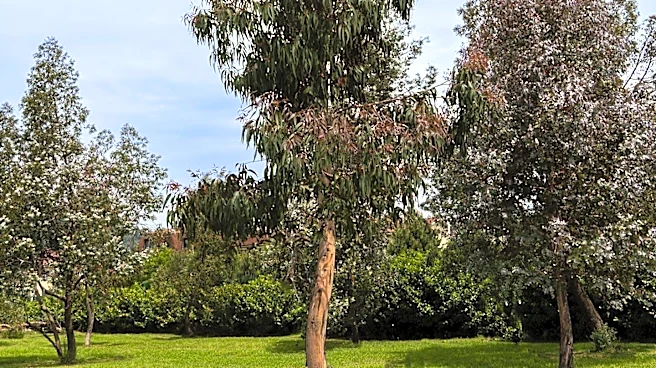
Residents of Scripps Ranch in San Diego are expressing growing concerns over the potential fire hazard posed by the eucalyptus trees lining Pomerado Road. These trees, once a beloved feature of the neighborhood, are now seen as a threat due to the accumulation
of dry brush and dead branches. The area was recently designated as a High Fire Hazard Severity Zone, leading to a significant increase in home insurance costs for residents like Linda Jones, who now relies on the FAIR Plan for coverage. Despite efforts to protect her home, Jones and her neighbors are worried about the risk posed by the trees, which are located on a mix of city, private, and state-owned land. The city evaluates these trees every two to three years, but residents are calling for more frequent assessments and a coordinated maintenance effort.
Why It's Important?
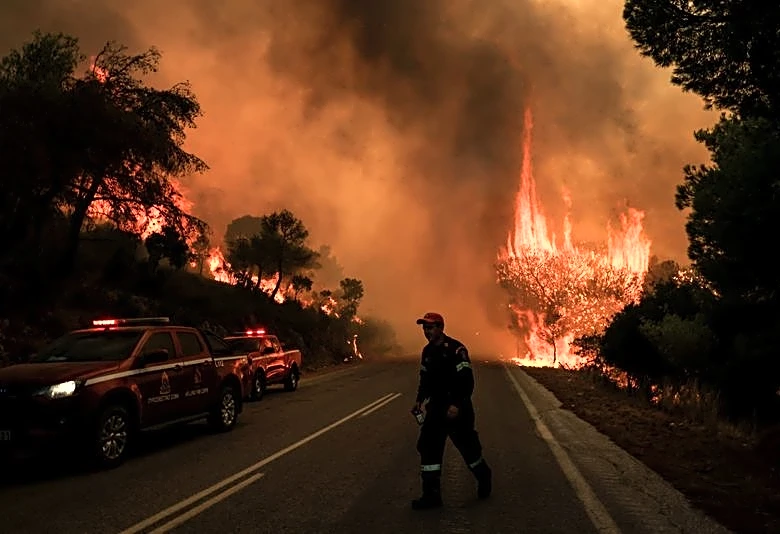
The situation in Scripps Ranch highlights the broader issue of fire safety in urban areas prone to wildfires. The presence of eucalyptus trees, known for their flammability, exacerbates the risk of fire, especially in regions with a history of wildfires like San Diego. The increased insurance costs and reliance on the FAIR Plan reflect the financial burden on residents living in high-risk zones. This issue underscores the need for effective urban planning and vegetation management to mitigate fire risks. The residents' call for action also points to the challenges of coordinating maintenance efforts across different jurisdictions, which is crucial for ensuring community safety.
What's Next?
The city of San Diego plans to conduct another evaluation of the eucalyptus trees along Pomerado Road in the coming months. However, residents like Linda Jones are advocating for more frequent assessments, suggesting a timeline of every six to nine months. The city encourages residents to report fire hazards through the Get It Done app or the San Diego Fire-Rescue's Citizen Complaint Inspection Program. The outcome of these evaluations and the city's response to residents' concerns will be critical in determining the future safety measures implemented in Scripps Ranch.