





What's Happening?
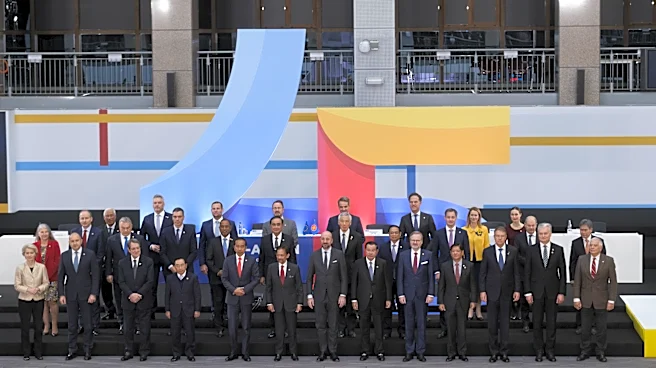
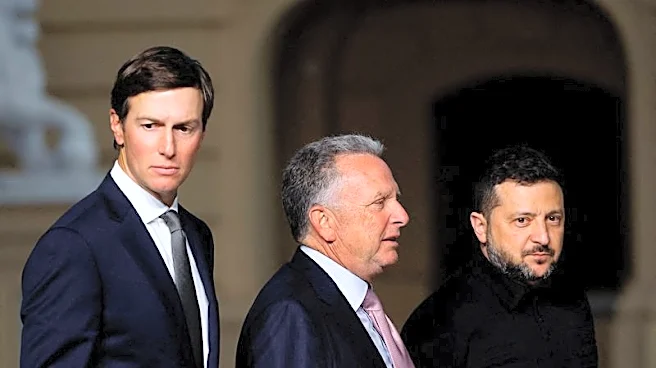
Rustem Umerov, head of the Foreign Intelligence Service of Ukraine, held significant meetings in Brussels with representatives from the European Commission, the United States, the United Kingdom, France, Germany, NATO, the World Bank, and the investment
firm BlackRock. The discussions focused on preparing a post-war recovery and economic development plan for Ukraine, addressing financing requirements for 2027, and establishing security guarantees. Umerov emphasized that these efforts are not only about Ukraine's security but also about shaping a new security architecture for all of Europe in the post-war period, asserting that long-term security for Europe is impossible without long-term security for Ukraine. He noted that work on security guarantees, recovery, and economic development is being carried out in parallel as components of a unified plan for the state's future. A separate meeting specifically addressed Ukraine's financing needs for 2027, where Ukrainian officials presented projections for resource requirements, the projected budget deficit, and potential funding sources.
Why It's Important?
These high-level discussions in Brussels underscore the international community's commitment to Ukraine's post-war stability and the broader European security landscape. The involvement of key U.S. and European partners, along with financial institutions like the World Bank and BlackRock, highlights the comprehensive approach being taken to address Ukraine's multifaceted challenges. The emphasis on security guarantees is crucial for preventing future aggression and ensuring a durable peace. For the U.S., participation in these talks reflects its continued role in supporting Ukraine and shaping the future of European security. The discussions on 2027 financing are vital for Ukraine's immediate operational needs and long-term economic viability, impacting its ability to rebuild and integrate into the global economy. The integration of Ukraine's security into a new European security architecture signifies a potential shift in regional dynamics, with implications for NATO's role and the collective defense strategies of its members.
What's Next?
Work with international partners on security guarantees for Ukraine is set to continue, with a specific meeting scheduled for November 5 to delve deeper into this critical aspect. The 'Prosperity Plan' for Ukraine, based on pillars such as productivity, EU market integration, investment, donor coordination, and reforms, is a key document currently under development. While details of this plan have not yet been disclosed, substantive work is underway with established follow-up steps and timelines. The ongoing consultations aim to solidify the mechanisms for Ukraine's recovery and ensure its long-term security within a broader European framework. The outcomes of these discussions will directly influence the flow of international aid, investment, and military support to Ukraine, shaping its path toward recovery and integration.
Beyond the Headlines
The parallel development of security guarantees, post-war reconstruction, and economic development plans for Ukraine reflects a recognition that these elements are inextricably linked. A secure Ukraine is essential for a stable European economy and geopolitical balance. The involvement of an investment firm like BlackRock suggests a focus on attracting private capital for reconstruction, indicating a shift towards market-based solutions alongside traditional aid. This integrated approach aims to create a resilient Ukraine that can withstand future challenges and contribute to European stability. However, the success of these plans will depend on sustained international cooperation, effective governance within Ukraine, and the ability to navigate complex geopolitical tensions, particularly concerning Russia's future role and demands for its own security guarantees. The discussions also implicitly acknowledge that Ukraine's future security is a shared responsibility, impacting the entire transatlantic alliance.