




What's Happening?
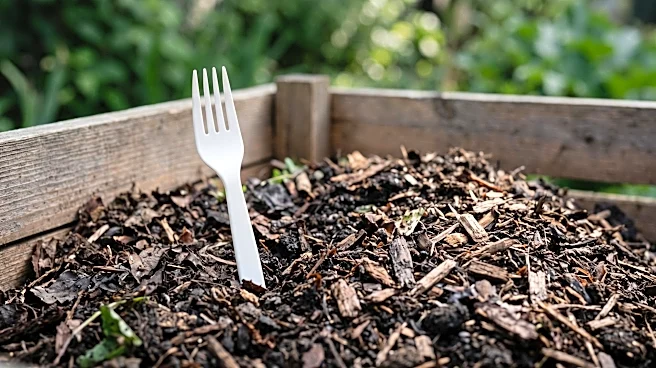
Composting at home is gaining traction as a natural method to break down organic materials, such as food scraps and yard waste, into a nutrient-rich soil amendment. This practice can be implemented through various methods, including using a bin or pile,
or by participating in composting services that offer pick-up or drop-off locations. The process helps to significantly reduce food waste, which is a major component of landfills. For instance, in Tennessee, food waste alone accounted for almost 20% of the state's landfill waste by weight in 2024, with approximately 75% of this being edible food. When food waste is sent to landfills, it decomposes improperly, producing methane, a potent greenhouse gas. Composting, conversely, allows for proper decomposition, mitigating these harmful emissions. Even in small living spaces, methods like worm bins (vermicomposting), Bokashi buckets, or electric composters provide viable options for residents to engage in home composting. Starting a compost system typically involves choosing a well-ventilated location, maintaining a 2:1 ratio of brown (carbon-rich) to green (nitrogen-rich) materials, and regularly turning and moistening the compost to facilitate decomposition.
Why It's Important?
The widespread adoption of home composting in the U.S. holds significant environmental and economic implications. Environmentally, it directly addresses the growing problem of landfill capacity, as many landfills, particularly in regions like Middle Tennessee, are nearing their limits. Building new landfills is not only costly but also requires substantial land and long-term monitoring. By diverting food waste from landfills, composting reduces the production of methane, a greenhouse gas far more potent than carbon dioxide, thereby contributing to climate change mitigation efforts. Economically, reducing the volume of waste sent to landfills can lead to lower waste management costs for municipalities and, consequently, for households through reduced council rates. Furthermore, the resulting compost provides a free, nutrient-rich fertilizer for gardens and plants, reducing the need for chemical fertilizers and improving soil health. This practice also fosters a more circular economy by transforming waste into a valuable resource, supporting local environmental benefits and potentially creating new local businesses around composting services.
What's Next?
As awareness of composting's benefits grows, it is anticipated that more U.S. communities and households will explore and adopt home composting practices. Educational initiatives, such as workshops offered by local government entities like Skagit County Public Works, are likely to expand, providing residents with the knowledge and skills needed for effective composting. The availability of diverse composting methods, from traditional bins to small-space solutions like worm bins and Bokashi buckets, will make composting accessible to a broader demographic, including urban dwellers. We may also see an increase in composting services, offering convenient options for those unable to manage home systems. Additionally, the market for compostable products, such as bamboo dinnerware and other eco-friendly disposables, is expected to grow, further facilitating waste reduction at events and gatherings. Continued research and development in composting technologies and best practices will likely lead to more efficient and user-friendly systems, encouraging even greater participation.
Beyond the Headlines
Beyond the immediate environmental and economic advantages, the rise of home composting signifies a deeper cultural shift towards greater environmental responsibility and self-sufficiency in the U.S. It encourages individuals to reconsider their relationship with waste, viewing organic materials not as refuse but as valuable resources. This practice can foster a stronger connection to food systems, promoting an understanding of where food comes from and where it goes after consumption. Ethically, it aligns with principles of sustainability and resource conservation, encouraging a more mindful consumption pattern. Legally, as landfill capacities diminish and environmental regulations tighten, local governments may increasingly incentivize or even mandate composting, potentially leading to policy changes that support broader composting infrastructure and education. Culturally, composting can become a community-building activity, with neighbors sharing knowledge, resources, and even finished compost, strengthening local resilience and environmental stewardship.