
What's Happening?
Pennsylvania Governor Josh Shapiro has signed an executive order that mandates new regulations for companies establishing 'AI data centers' within the state. This order requires these companies to adhere
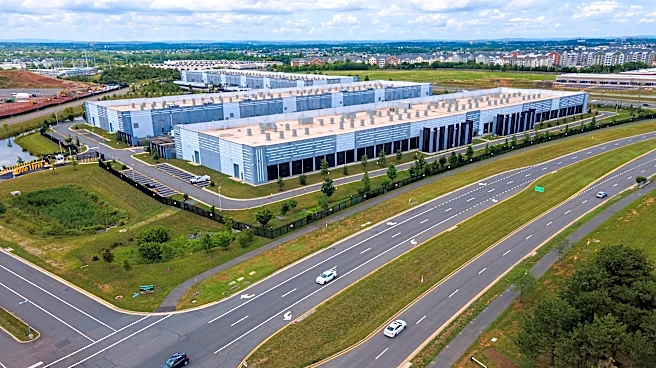
to specific environmental and transparency standards and secure local community approval before proceeding with their projects. A significant aspect of this directive is the immediate removal of all data centers from the state's Fast Track program, which previously expedited their development. Furthermore, the order prohibits any office or agency under Governor Shapiro’s jurisdiction from entering into non-disclosure agreements with data center developers. This move comes amidst growing concerns from various governments, regulators, and cities regarding the increasing electricity consumption, water usage, and the overall burden that AI infrastructure places on local communities. Other states and cities, including New York, Maine (though vetoed), and Monterey Park, California, have also implemented or considered similar restrictions or bans on new data center construction.
Why It's Important?
This executive order from Governor Shapiro signifies a proactive approach by a U.S. state government to address the environmental and community impacts of the rapidly expanding artificial intelligence industry. By requiring adherence to environmental and transparency standards and local community approval, Pennsylvania aims to mitigate potential negative consequences such as increased strain on power grids, water resources, and local infrastructure. The removal of data centers from the Fast Track program and the prohibition of non-disclosure agreements reflect a shift towards greater public oversight and accountability in the development of these facilities. This could set a precedent for other states grappling with similar issues, potentially influencing national policy discussions on AI infrastructure development. The move also highlights a growing tension between technological advancement and environmental sustainability, forcing a reevaluation of how large-scale tech projects are integrated into existing communities and resource frameworks.
What's Next?
Following Governor Shapiro's executive order, companies planning to establish AI data centers in Pennsylvania will need to adjust their development strategies to comply with the new environmental and transparency standards and secure local community approval. This will likely involve more extensive public engagement and environmental impact assessments. The state's offices and agencies will also need to implement procedures to ensure compliance with the ban on non-disclosure agreements with developers. This action could prompt other U.S. states to consider similar regulatory frameworks, potentially leading to a broader trend of increased scrutiny and regulation for AI data center development across the country. The long-term implications may include a slower, more deliberate expansion of AI infrastructure, with a greater emphasis on sustainable practices and community integration.
Beyond the Headlines
The Pennsylvania executive order delves into the less obvious implications of the AI boom, particularly the ethical and environmental responsibilities associated with technological advancement. By prioritizing local community approval and transparency, the order implicitly acknowledges the potential for social disruption and resource depletion that large-scale data centers can cause. This move suggests a growing recognition that the benefits of AI must be balanced against its ecological footprint and impact on local populations. It also raises questions about the role of state governments in regulating emerging technologies and whether a patchwork of state-level regulations will be sufficient or if a more unified national approach is needed. The emphasis on transparency and community involvement could foster a new paradigm for tech development, where public interest and environmental stewardship are integral to project planning, rather than afterthoughts.