
What's Happening?
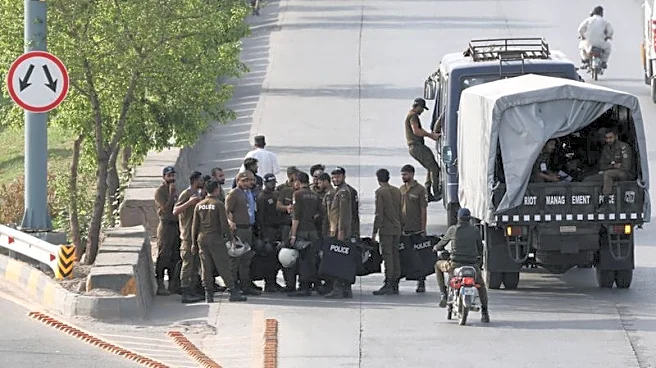
Iranian Foreign Minister Abbas Araghchi has arrived in Islamabad, Pakistan, to engage in discussions with senior Pakistani leaders as part of ongoing efforts to diplomatically resolve the conflict between
the U.S. and Iran. The U.S. has extended a ceasefire, with President Trump indicating that Iran is making an offer, though details remain unclear. The U.S. continues to enforce a blockade on Iranian ports, maintaining readiness for potential hostilities if talks fail. The visit follows the announcement that U.S. Special Envoy Steve Witkoff and Jared Kushner will participate in the talks, though it is uncertain if they will meet directly with Araghchi.
Why It's Important?
The diplomatic efforts between the U.S. and Iran are crucial in preventing further escalation of the conflict, which has already impacted global oil markets and regional stability. The involvement of Pakistan as a mediator highlights the international dimension of the conflict and the need for broader diplomatic engagement. The U.S. seeks a 'unified proposal' from Iran, reflecting internal divisions within the Iranian leadership. The outcome of these talks could influence future U.S. foreign policy and its approach to international conflicts, as well as impact President Trump's political standing domestically.
What's Next?
The next steps in the U.S.-Iran peace talks remain uncertain, with both sides needing to navigate complex political landscapes. The U.S. is likely to continue its blockade while seeking a diplomatic resolution. The involvement of key figures like Witkoff and Kushner suggests a high-level commitment to finding a peaceful solution. However, the lack of clarity on Iran's proposal and internal divisions within its leadership pose challenges. The international community will be watching closely, as the outcome could set a precedent for future diplomatic engagements.