








What's Happening?
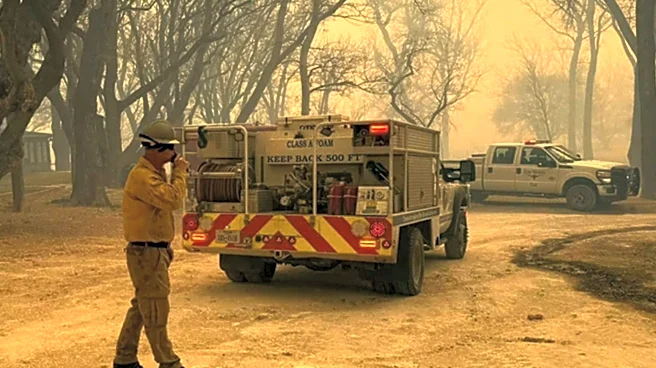
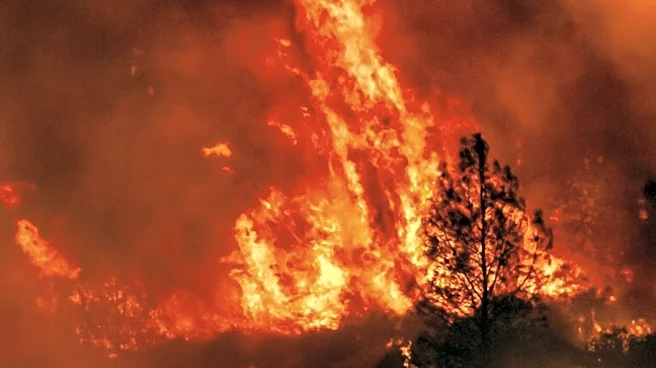
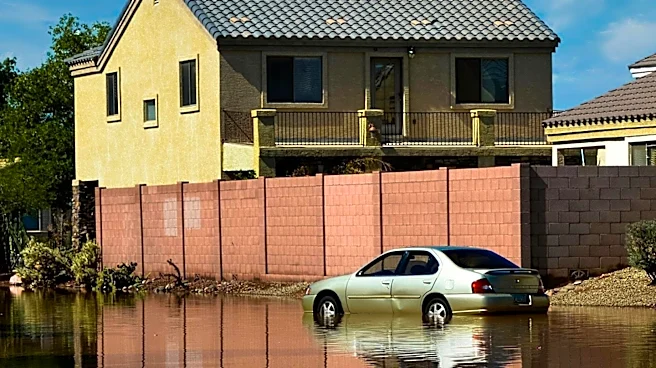
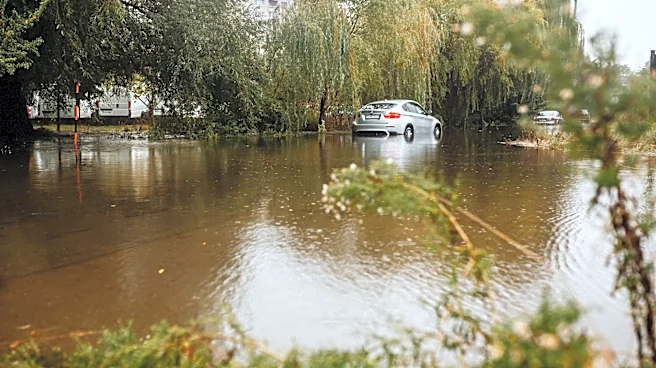
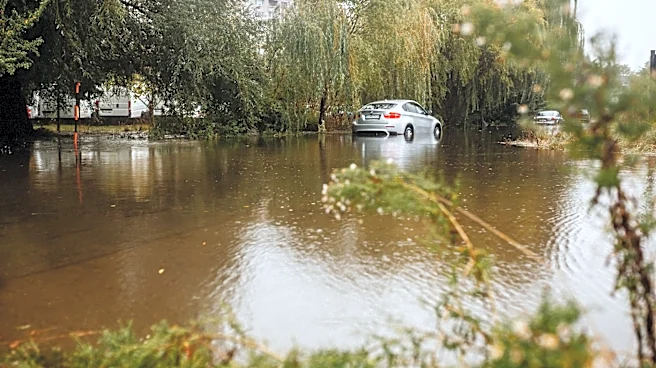
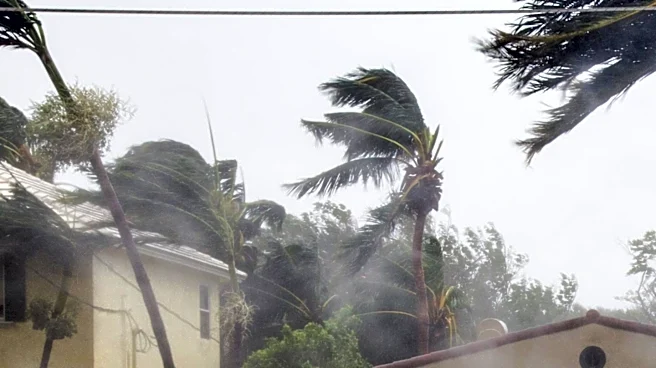
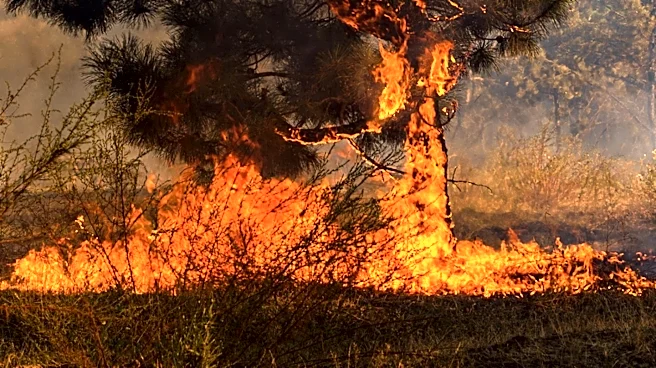
Communities around the world, including those in the U.S., are facing disaster fatigue due to more frequent and severe weather events such as hurricanes and wildfires. These repeated disasters are taking a mental toll on residents, leading to stress,
anxiety, and burnout. The cycle of emergency and recovery is becoming a way of life for many, with little time for rebuilding before the next disaster strikes. This ongoing exposure to extreme weather is affecting community resilience and individuals' mental health, with potential long-term consequences for recovery efforts.
Why It's Important?
Disaster fatigue poses significant challenges for communities' ability to recover and adapt to climate change. The psychological impact of repeated disasters can hinder recovery efforts and reduce community resilience. As climate change continues to drive more frequent and severe weather events, addressing the mental health aspects of disaster recovery is crucial. Understanding and mitigating disaster fatigue can help communities better prepare for and respond to future challenges.
What's Next?
Communities may need to develop new strategies for disaster preparedness and recovery that account for the psychological impacts of repeated disasters. This could involve enhancing mental health support, improving resource allocation, and fostering social cohesion. Policymakers and emergency management agencies may need to consider new approaches to disaster response that address the challenges of disaster fatigue.
Beyond the Headlines
The issue of disaster fatigue highlights the broader impact of climate change on mental health and community resilience. It underscores the need for systemic changes in how societies prepare for and respond to natural disasters. The cultural and psychological dimensions of disaster fatigue may require new approaches to community support and resilience building.