








What's Happening?
Indiana state health officials and emergency healthcare partners are discontinuing the practice of routine hospital ambulance diversion, effective Tuesday. This practice previously allowed hospitals to redirect ambulances to other facilities during periods
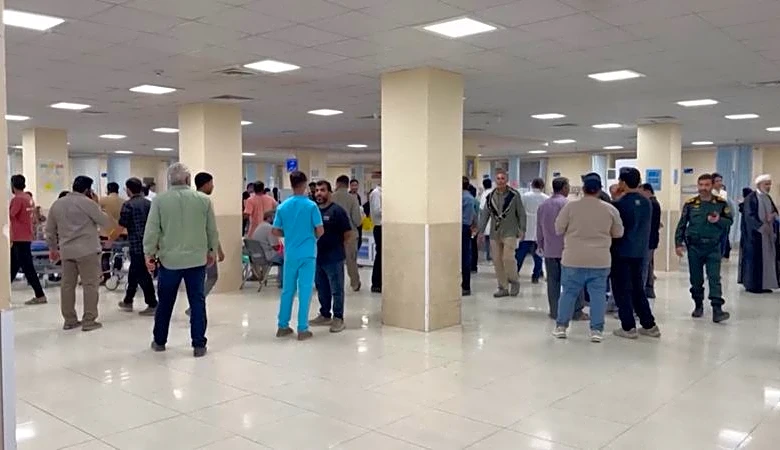
of high patient volume to prevent overcrowding in emergency rooms. The decision was a collaborative effort involving emergency medicine providers, nurses, hospitals, EMS professionals, and fire services. Officials believe that routine diversions can lead to unintended consequences for patient care, including increased strain on EMS resources, longer transport times, and delays in continuity of care. Moving forward, hospital diversions will only be permitted in rare circumstances, such as during disasters or critical infrastructure failures. Indianapolis hospitals have already successfully ceased this practice.
Why It's Important?
This policy change is significant for Indiana's healthcare system as it aims to ensure that all residents receive timely and appropriate medical care. By eliminating routine diversions, the state intends to reduce the risk of critical patients experiencing increased response times and to prevent the shifting of overcrowding from one emergency department to another. This move is expected to foster more transparent discussions about facility capabilities and capacities, leading to earlier patient interventions. For patients, it means that when they call 911, they will be transported to the most suitable facility based on their needs and the hospital's capabilities, rather than being rerouted due to capacity issues at the nearest hospital. This could lead to improved patient outcomes and a more efficient emergency response system across the state.
What's Next?
With the discontinuation of routine hospital diversions, Indiana's emergency healthcare system will need to adapt to the new protocol. Hospitals will be required to manage patient intake without the option of routinely diverting ambulances, which may necessitate adjustments in staffing, bed management, and internal patient flow processes. Emergency medical services (EMS) will now transport patients directly to the most appropriate facility, potentially leading to more consistent and predictable transport routes. State health officials will likely monitor the impact of this change on emergency room wait times, patient outcomes, and overall healthcare system efficiency. Continued collaboration among all emergency care stakeholders will be crucial to ensure a smooth transition and to address any unforeseen challenges that may arise from this new policy.
Beyond the Headlines
The decision to end routine hospital diversions reflects a broader shift in healthcare policy towards prioritizing immediate patient access and continuity of care. While the practice of diversion was intended to manage hospital capacity, it often created a ripple effect, straining resources in other facilities and potentially delaying critical care. This move highlights a recognition that the burden of overcrowding should not be shifted but rather addressed through systemic improvements within individual hospitals and the broader healthcare network. It also underscores the importance of integrated emergency care planning, where all components—from EMS to emergency departments—work in concert to optimize patient flow and resource allocation. This policy could serve as a model for other states grappling with similar issues of emergency department overcrowding and ambulance availability.