




What's Happening?
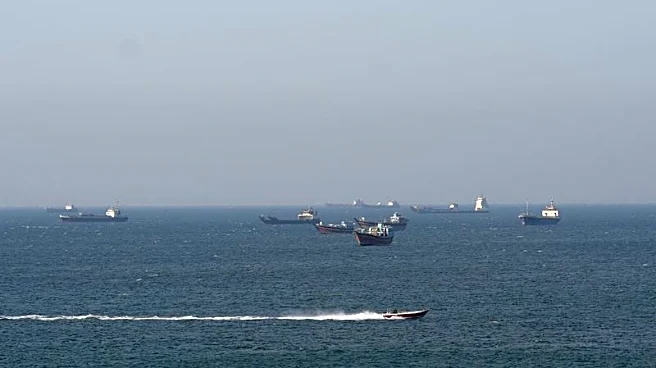
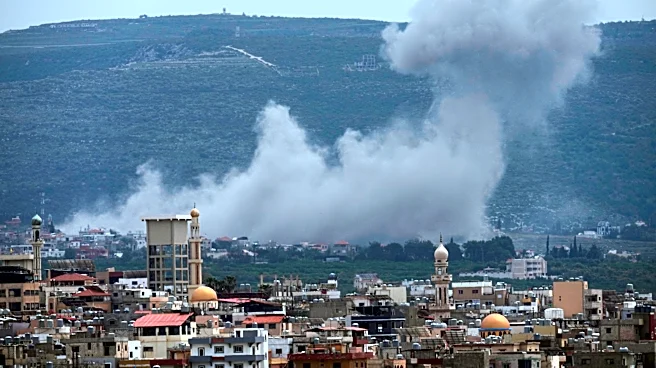
Iran has reimposed restrictions on the Strait of Hormuz, a critical shipping route, citing U.S. 'breaches of trust.' The move comes during a 10-day ceasefire in Lebanon, with Iran's Foreign Minister Abbas Araghchi stating that the strait would be open
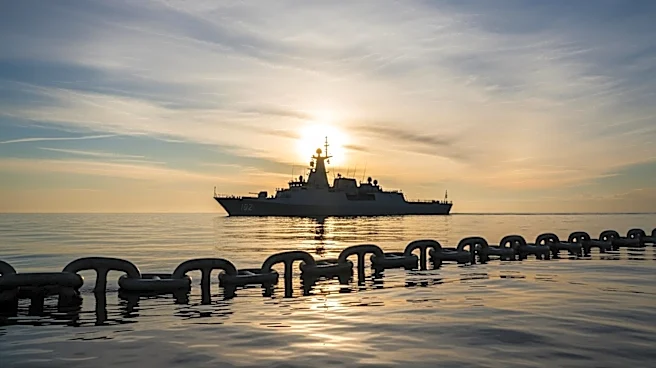
to commercial vessels under certain conditions. The Iranian parliament speaker warned that the strait would close again if the U.S. does not lift its blockade. President Trump has maintained a naval blockade of Iranian ports, insisting it will remain until a full agreement is reached with Tehran. The situation remains tense, with Iran allowing limited passage of oil tankers and commercial ships.
Why It's Important?
The Strait of Hormuz is a vital passage for global oil shipments, and its closure could have significant implications for international energy markets. The ongoing tensions between the U.S. and Iran over the strait highlight the geopolitical stakes involved. A prolonged closure could disrupt global oil supplies, leading to increased prices and economic instability. The situation also reflects broader challenges in U.S.-Iran relations, with potential impacts on regional security and diplomatic efforts. The strategic importance of the strait makes it a focal point in the ongoing negotiations between the two countries.
What's Next?
The future of the Strait of Hormuz remains uncertain, with potential for further escalation if a diplomatic resolution is not reached. The U.S. and Iran may continue negotiations to address the underlying issues, including sanctions relief and uranium enrichment. The outcome of these talks could influence the stability of the region and the global energy market. The international community will likely monitor the situation closely, given the potential for broader economic and security implications.