








What's Happening?
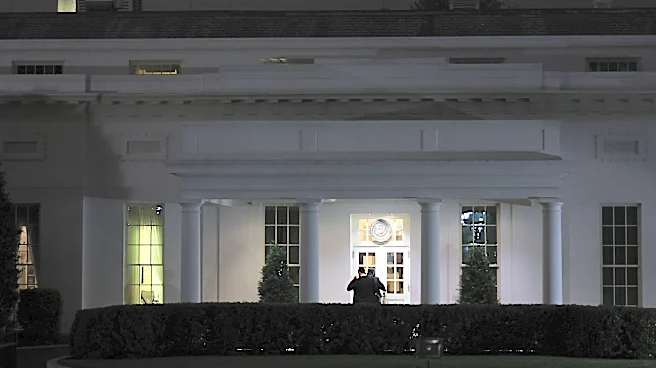
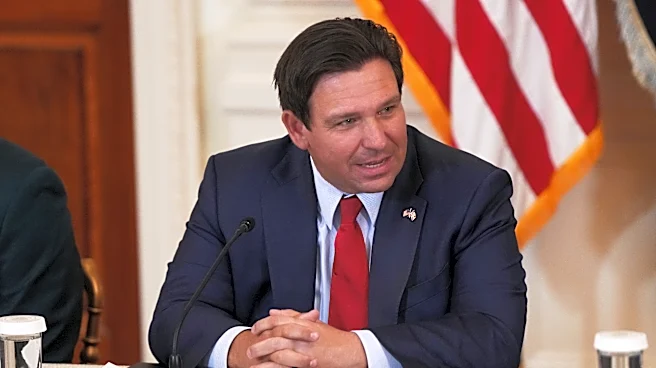
Senator Rick Scott of Florida has voiced opposition to a proposal by fellow Republican senators to allocate $400 million in taxpayer funds for the construction of a new ballroom at the White House. This proposal comes in the wake of a shooting incident
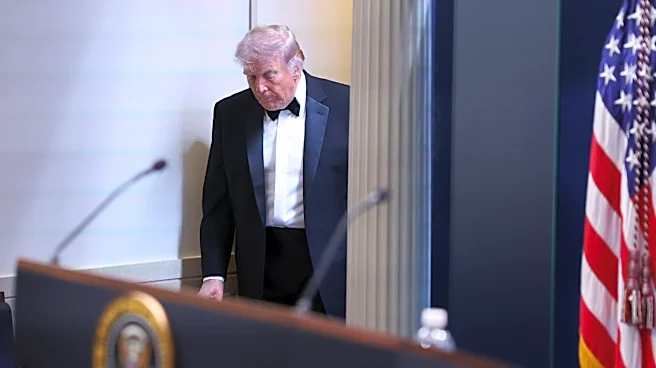
at the White House Correspondents' Association dinner, which has been cited by proponents as a reason to enhance presidential security. The proposed ballroom would include an underground military facility and a Secret Service annex. Scott, a longtime ally of President Trump, argues that the project should be funded privately, especially given the nation's $39 trillion debt. Senators Lindsey Graham, Katie Britt, and Eric Schmitt are leading the legislative effort, emphasizing the need for improved security measures for the presidency.
Why It's Important?
The debate over funding the White House ballroom highlights broader issues of fiscal responsibility and national security. With the U.S. facing significant national debt, the allocation of taxpayer money for such projects is contentious. Proponents argue that the ballroom is essential for presidential safety, especially after recent security threats. However, critics like Scott suggest that private funding would be more appropriate, reflecting a divide within the Republican Party on fiscal priorities. The outcome of this debate could influence future decisions on government spending and security infrastructure, impacting how public funds are allocated in times of financial strain.
What's Next?
The proposal for the White House ballroom will likely face further scrutiny and debate in Congress. Senator Graham has expressed a desire to pass the bill through the regular legislative process, requiring 60 votes in the Senate. This process will test the proposal's support among lawmakers and could lead to amendments or alternative funding solutions. The National Capital Planning Commission has already approved the project, but its future depends on congressional approval. The discussion may also prompt broader conversations about the balance between security needs and fiscal responsibility, potentially influencing future legislative priorities.