






What's Happening?
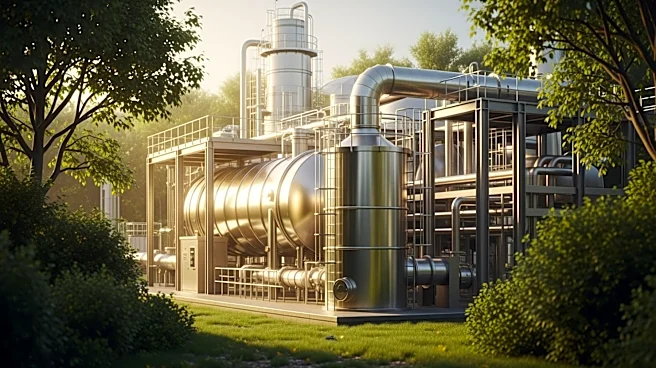
Nestle Philippines is advancing its commitment to lower emissions by incorporating a biomass energy facility into its manufacturing processes. This initiative is part of the company's broader strategy to achieve net zero emissions. The facility, located
in Cabuyao, Laguna, will power the energy-intensive spray-drying process used in milk production. By utilizing locally sourced agricultural waste as fuel, the facility aims to reduce reliance on conventional energy sources and strengthen supply chain connections with local farming communities. This move complements Nestle's existing use of renewable electricity and supports its decarbonization strategy.
Why It's Important?
The integration of a biomass energy facility by Nestle Philippines is significant as it represents a shift towards sustainable manufacturing practices. By reducing greenhouse gas emissions, the company not only contributes to environmental conservation but also enhances its competitive edge in the market. This initiative aligns with global efforts to combat climate change and supports the local economy by engaging with agricultural communities. The move also reflects a growing trend among corporations to integrate sustainability into core business operations, which could influence industry standards and consumer expectations.