





What's Happening?
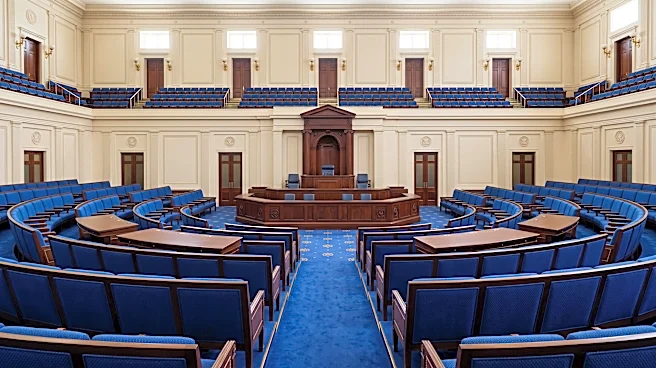
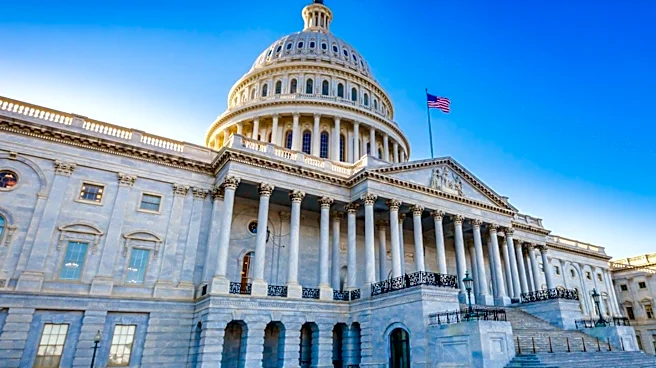
House Speaker Mike Johnson (R-LA) sent the House home a day early, effectively delaying a vote on the impeachment of Secretary of Defense Pete Hegseth. The resolution to impeach Hegseth was proposed by Rep. Thomas Massie (R-KY) on September 15, citing
Hegseth's alleged overstepping of constitutional authority in conducting U.S. military operations without congressional approval, particularly in Iran. Massie's resolution, a privilege measure, would have required a House vote within two legislative days. However, Johnson's decision to conclude the session early prevented this vote from occurring, pushing the matter back until after the November midterms. Johnson stated that Congress had completed its work and denied that the early recess was intended to avoid the impeachment vote, calling Massie's effort a 'publicity stunt.' Attorney General Todd Blanche defended Hegseth, asserting that all military operations adhere to legal requirements.
Why It's Important?
This action by Speaker Johnson highlights significant tensions within the Republican party and raises questions about the balance of power between the executive and legislative branches regarding military actions. The delay of the impeachment vote for Secretary Hegseth, who is accused of conducting military operations without congressional approval, could set a precedent for how future administrations engage in military interventions. If the allegations against Hegseth are substantiated, it could lead to a re-evaluation of the Secretary of Defense's authority and the extent of congressional oversight. The controversy also underscores the political maneuvering within the House, as Massie's resolution was a privilege measure designed to force a quick vote. The delay could be seen as an attempt to protect a key member of the administration and avoid a potentially divisive vote before the midterms, impacting public perception of accountability and transparency in government.
What's Next?
The House is scheduled to return on November 9, at which point Rep. Massie's impeachment resolution against Secretary Hegseth will remain unresolved. While Congress will have the opportunity to consider the proposal upon their return, no official vote has been scheduled. Until then, Secretary Hegseth will continue to serve in his position. The delay also impacts other legislative business, including a bipartisan effort to release more of the Epstein files, which will now also be postponed until November. The upcoming midterms may influence the political landscape and the likelihood of the impeachment resolution being brought to a vote. Depending on the election results, the appetite for pursuing such a contentious issue could either increase or decrease, potentially leading to further delays or a renewed push for a vote.
Beyond the Headlines
The controversy surrounding Speaker Johnson's decision to send the House home early extends beyond the immediate impeachment vote, touching upon broader issues of congressional power and executive authority. The accusation that Secretary Hegseth overstepped his constitutional authority by conducting military operations without congressional approval raises fundamental questions about the War Powers Resolution and the checks and balances designed to prevent unilateral executive action in matters of war. This incident could fuel debates about the interpretation of presidential and secretarial powers in foreign policy and military engagement. Furthermore, the delay in releasing the Epstein files, attributed to the early recess, adds another layer of public concern regarding transparency and accountability, potentially eroding public trust in legislative processes. The political implications of such actions could resonate in future elections, influencing voter sentiment regarding congressional leadership and governmental oversight.