







What's Happening?
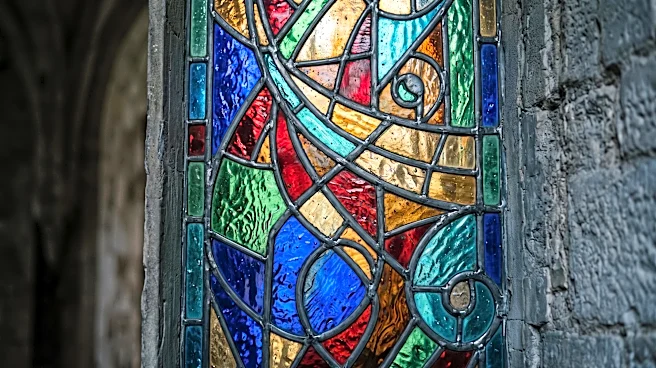
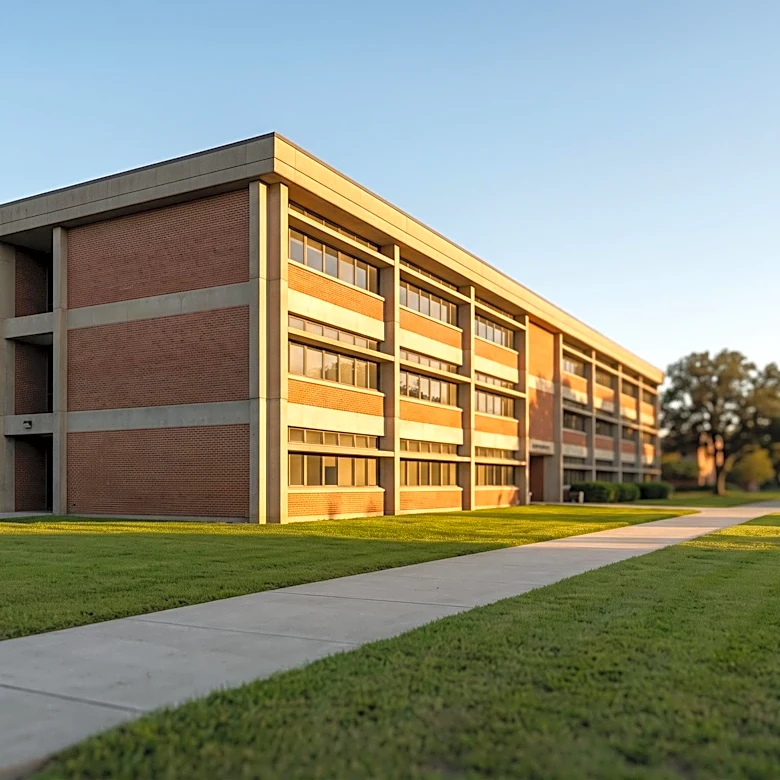
Historic stained glass windows, which have adorned a Jesuit seminary in north St. Louis County for over a century, are slated to be moved to the East Coast. This relocation follows a legal dispute between Boston College and Urshan University, the current
owner of the campus. Boston College had a deal to purchase the 13 stained glass windows, created by Emil Frei, but Urshan University backed out of the agreement. Consequently, Boston College is now suing Urshan University to enforce the original deal, leading to the windows' impending departure from St. Louis. The windows are considered significant historical and artistic artifacts.
Why It's Important?
This development is important as it signifies the loss of culturally and historically significant art from the St. Louis region. The stained glass windows, having been a part of the local heritage for over a century, represent a tangible link to the area's past and its religious and artistic traditions. Their removal to the East Coast means that future generations in St. Louis will no longer have direct access to these artifacts, impacting local historical narratives and cultural identity. The legal battle also highlights the complexities and potential disputes that can arise when historical properties and their contents are transferred or sold, especially when involving institutions with differing priorities and interpretations of agreements. This situation could also set a precedent for how similar historical assets are managed and protected in the future.
What's Next?
The immediate next step involves the resolution of the lawsuit filed by Boston College against Urshan University. The outcome of this legal proceeding will determine the final ownership and destination of the stained glass windows. Regardless of the legal specifics, the windows are expected to leave St. Louis. This event may prompt local historical societies and art organizations to advocate for stronger protections for historical artifacts within the region to prevent similar losses in the future. It could also lead to increased scrutiny of property sales involving historically significant items and potentially influence future contractual agreements to ensure the preservation of local heritage.
Beyond the Headlines
Beyond the legal and logistical aspects, this situation touches upon the broader theme of cultural patrimony and the challenges of preserving historical assets in a changing landscape. The departure of these windows raises questions about who has the ultimate claim to such artifacts, especially when they are embedded within a community's history but owned by private or institutional entities. It also underscores the economic pressures that can lead institutions to sell valuable assets, sometimes against local sentiment. This event could stimulate a wider conversation about the role of universities and other organizations as custodians of cultural heritage and the ethical considerations involved in the sale or relocation of such items, potentially influencing policies related to cultural preservation and institutional responsibility.