
What's Happening?
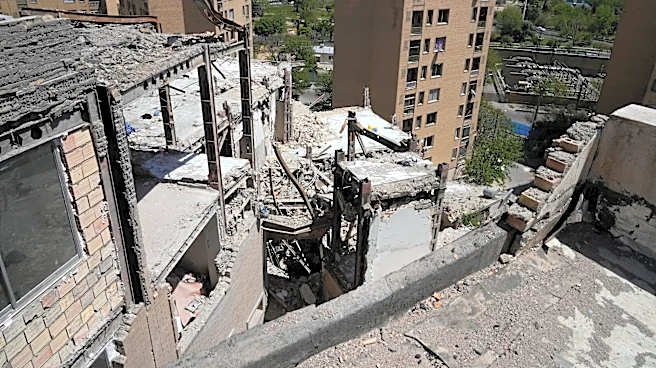
President Trump recently announced a ceasefire agreement with Iran, aiming to reopen the Strait of Hormuz and halt Israeli attacks on Lebanon. However, the deal faces significant challenges, including
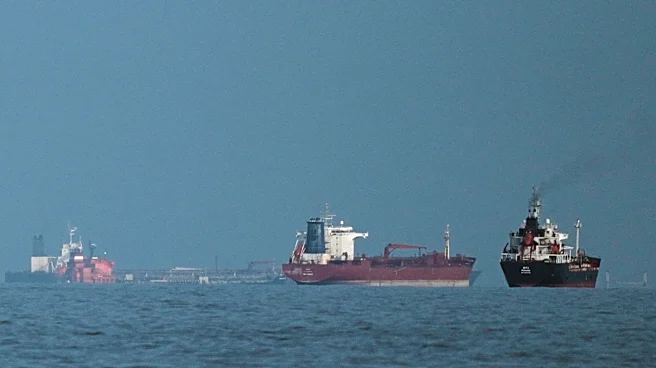
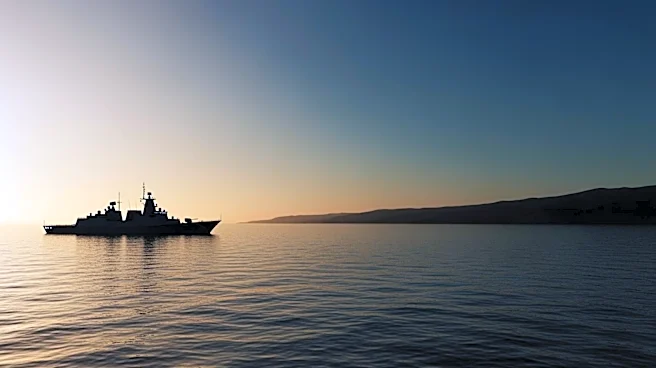
disagreements over its scope and implementation. Israeli Prime Minister Netanyahu and Iranian officials have conflicting interpretations of the ceasefire's applicability to Lebanon, leading to continued hostilities. Additionally, Iran's conditions for reopening the Strait of Hormuz involve coordination with its military, which has resulted in limited ship passage. The U.S. has responded by imposing a blockade on Iranian ports. These issues reflect a pattern in President Trump's international negotiations, where initial agreements often lack detailed resolutions, leading to potential future conflicts.
Why It's Important?
The ceasefire's success or failure has significant implications for regional stability and global energy markets. The Strait of Hormuz is a critical chokepoint for global oil shipments, and its closure or restricted access can disrupt energy supplies and increase oil prices. The ongoing tensions also affect U.S. foreign policy and its relations with Middle Eastern allies, particularly Israel. President Trump's approach to international negotiations, characterized by broad agreements without detailed follow-through, may lead to temporary peace but risks long-term instability. The situation underscores the complexities of Middle Eastern geopolitics and the challenges of achieving lasting peace in the region.
What's Next?
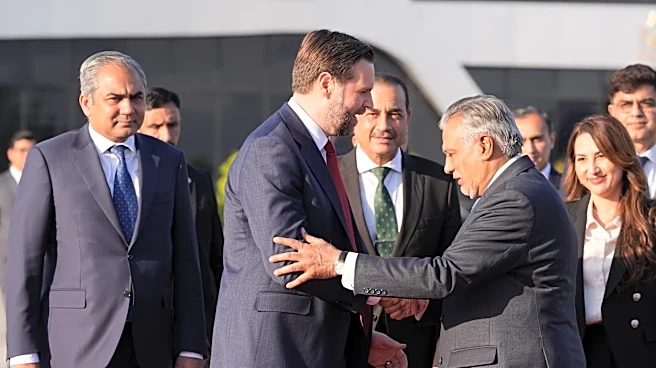
The coming weeks will be crucial in determining the ceasefire's viability. Continued diplomatic efforts are needed to address the disagreements over the ceasefire's terms and ensure the safe reopening of the Strait of Hormuz. The U.S. and its allies must engage in detailed negotiations with Iran to resolve outstanding issues, including Iran's nuclear program and regional security concerns. Failure to achieve a comprehensive agreement could lead to renewed hostilities and further destabilize the region. The international community will be closely watching the developments, as the outcome will have far-reaching consequences for global security and economic stability.