




What's Happening?
A new report by Greenpeace Japan, titled 'Climate Change as Told by Autumn Flavours,' reveals that crop-damaging temperatures in Japan's key agricultural regions have surged by up to 43 days over the past 50 years. This increase poses significant risks
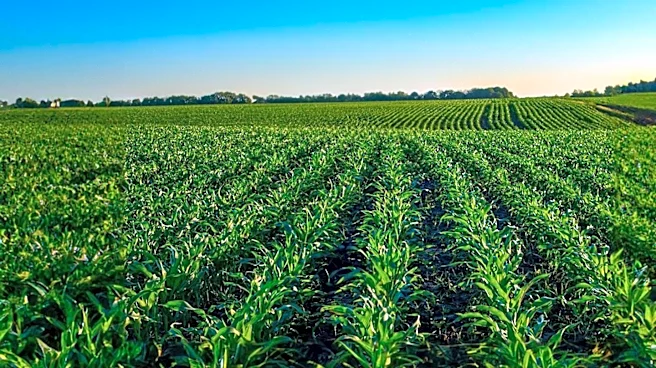
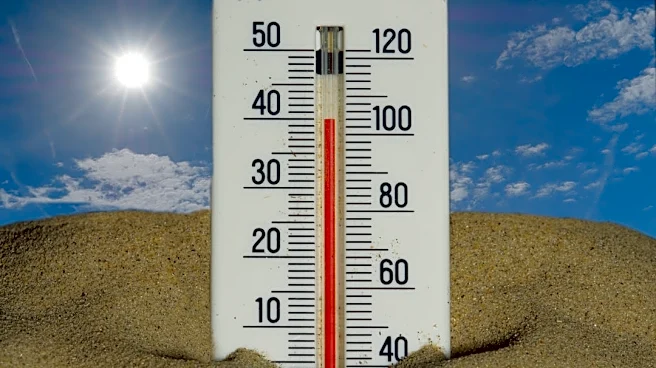
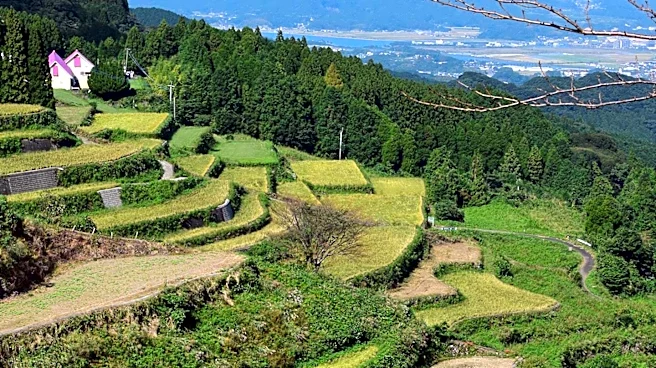
to the growth and quality of four iconic autumn crops: sweet potatoes, Japanese pears, grapes, and rice. The study compared decadal temperature averages between 1966-1975 and 2016-2025, specifically tracking days when physiological heat thresholds disrupt vital growth stages like fruit coloration and grain filling. For instance, days above 27°C during the July to August ripening period for grapes in Yamanashi surged from 0 to 43 days, leading to widespread skin failures in popular black grapes like Kyoho. Similarly, sweet potatoes in Kagoshima experienced an increase of 23 days at or above 30°C during their main growth period, resulting in smaller tubers and lighter harvests. Japanese pears in Chiba saw a rise of 30.3 days at or above 30°C during fruit growth, causing severe sunburn and watercore damage. In Niigata, August days exceeding 27°C for rice increased by 18 days, accelerating chalky grain formation and reducing quality. These findings indicate a significant surge in crop heat exposure during critical growth periods, driven by hotter summers, warmer winters, and record tropical nights.
Why It's Important?
The escalating extreme heat in Japan, as detailed by the Greenpeace report, has profound implications beyond agricultural yields, impacting the nation's food security, economic stability for farmers, and consumer prices. The report highlights that these climate impacts threaten harvest stability, farm incomes, and retail food prices. This is particularly critical given that 69.5% of Japan's core agricultural workforce is aged 65 or older, making them more vulnerable to the structural risks posed by climate change. The damage to iconic autumn crops like Kyoho grapes, sweet potatoes, Japanese pears, and rice could lead to reduced availability and higher costs for consumers, affecting household budgets. Furthermore, the report underscores that while farmers are implementing adaptations such as shifting planting dates and testing heat-tolerant crops, these individual efforts are insufficient to counteract systemic climate shocks. The long-term viability of traditional farming practices and the cultural significance of these crops are also at stake, potentially altering Japan's culinary landscape and agricultural heritage. The situation calls for a national response to safeguard both the agricultural sector and the broader economy from the pervasive effects of climate change.
What's Next?
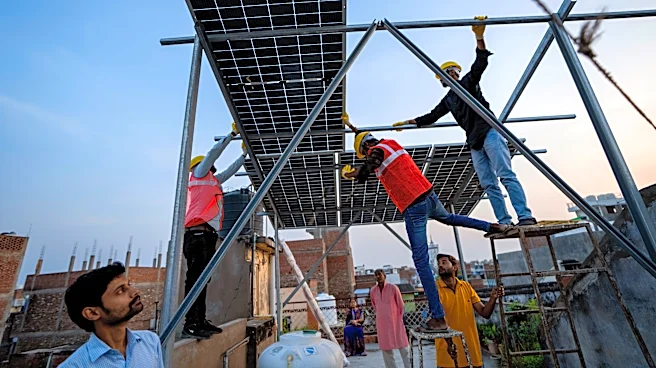
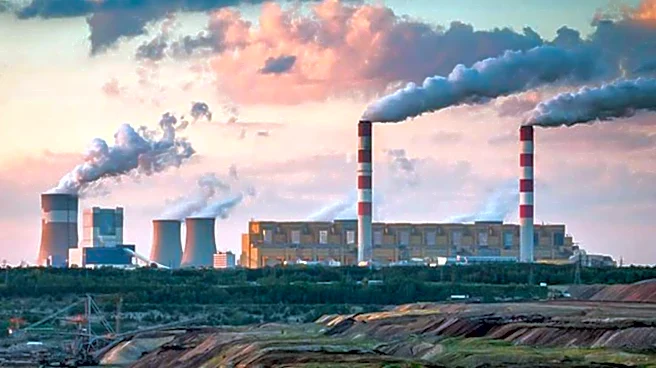
Greenpeace Japan is urging the government to take swift action on four key fronts to address the escalating climate crisis impacting agriculture. These recommendations include providing enhanced support for farmers and agricultural resilience through detailed field assessments of climate damage and long-term structural aid. The organization also calls for accelerating energy efficiency across agriculture and industry, alongside implementing modern building insulation standards. A crucial step involves expanding local clean power initiatives, such as scaling up solar sharing on farms (agrivoltaics) and commercial rooftop solar, to build resilient, local energy systems. Finally, Greenpeace advocates for an immediate phase-out of coal power, followed by oil and gas, to tackle climate change at its source. These proposed measures aim to mitigate the ongoing damage to crops, stabilize farm incomes, and ensure food security in the face of intensifying heatwaves and climate disruption. The implementation of these policies would require significant governmental commitment and investment, potentially leading to a transformation in Japan's energy and agricultural sectors.
Beyond the Headlines
The Greenpeace report on Japan's autumn crops reveals deeper implications beyond immediate agricultural losses, touching upon the ethical responsibilities of governments and industries in addressing climate change. The vulnerability of an aging agricultural workforce, with nearly 70% of core workers over 65, highlights a demographic crisis exacerbated by environmental shifts. This demographic reality means that the traditional knowledge and resilience mechanisms within farming communities are under severe strain, making adaptation even more challenging. The report implicitly raises questions about intergenerational equity, as current climate policies will disproportionately affect future generations and the elderly who depend on stable agricultural systems. Furthermore, the impact on iconic crops like Kyoho grapes, which are deeply embedded in Japanese culture and cuisine, signifies a potential loss of cultural heritage. The 'cruelly hot day' (kokushobi) term, introduced to underscore health threats from rising temperatures, reflects a societal shift in acknowledging and naming the severity of climate impacts. This situation underscores the urgent need for comprehensive, systemic changes rather than relying solely on individual farmer adaptations, emphasizing that national food security is a collective crisis requiring robust policy interventions and a re-evaluation of energy sources.