


What's Happening?
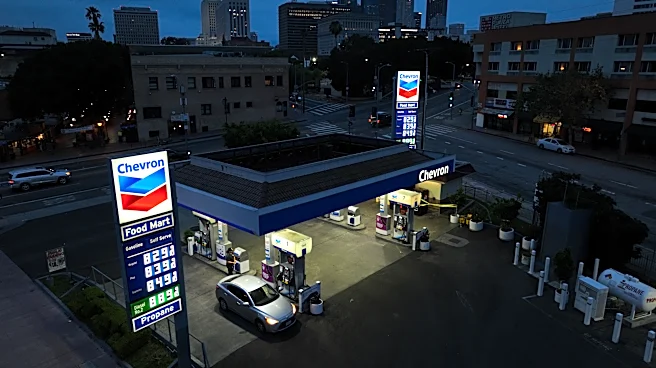
A gas station in Big Sur, California, is charging nearly $10 per gallon for premium gasoline, significantly higher than the national average of $4 and the California average of $5.89, according to AAA. The owner of Gorda By The Sea, Leo Flores, attributes
the high prices to the station's reliance on generators for power, as they create their own electricity when external power is unavailable. This situation has led customers to purchase only enough fuel to reach the next station. The pricing is also constrained by the pump's digit limit, which caps the price at $9.99.
Why It's Important?
The exorbitant gas prices at this Big Sur station highlight the broader issue of rising fuel costs across the United States, particularly in California. This situation underscores the challenges faced by remote areas where infrastructure limitations and energy independence can lead to significantly higher operational costs. The high prices may impact local tourism and the cost of living, as residents and visitors alike must contend with these elevated expenses. Additionally, this scenario reflects the ongoing volatility in the energy market, influenced by factors such as supply chain disruptions and geopolitical tensions.
What's Next?
As fuel prices continue to fluctuate, there may be increased pressure on local and state governments to address energy infrastructure and pricing regulations. Stakeholders, including consumers and business owners, might advocate for policy changes to mitigate the impact of high fuel costs. Additionally, there could be a push towards alternative energy solutions to reduce dependency on traditional fuel sources, especially in remote areas. Monitoring the response from both the public and policymakers will be crucial in understanding the future landscape of fuel pricing in California and beyond.