


What's Happening?
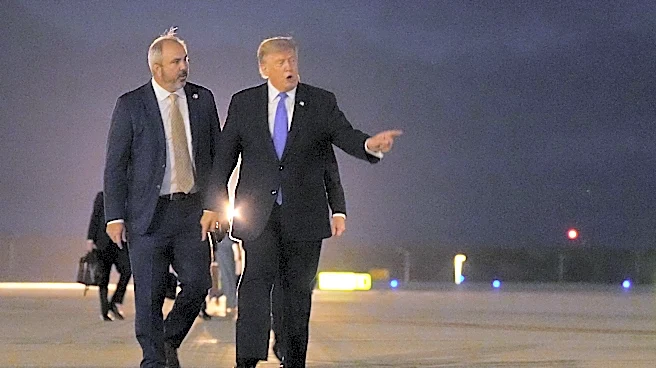
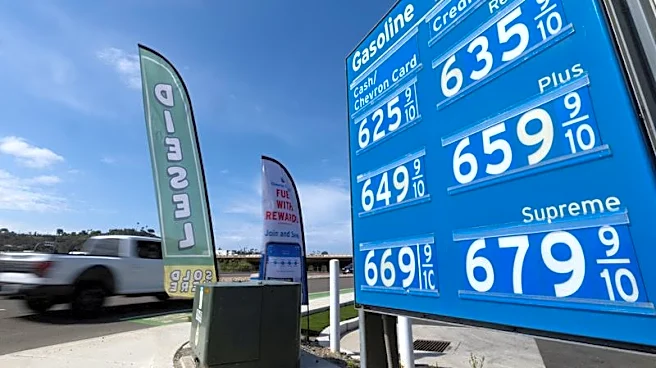
The oil industry is rallying to prevent potential export restrictions by President Trump, as high fuel prices continue to be a concern. Industry executives and White House officials are engaged in discussions to stave off any move to curb U.S. petroleum
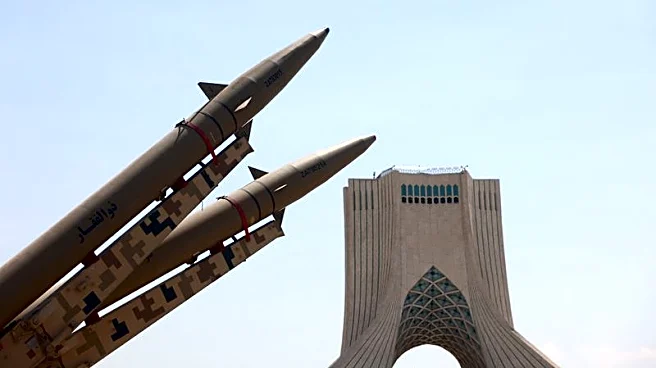
exports. Despite assurances from the White House that export restrictions are not under consideration, the industry remains on high alert due to President Trump's criticisms of oil companies and his directive to investigate them for price gouging. The closure of the Strait of Hormuz by Iran has increased global oil prices, leading to heightened demand for U.S. oil, further complicating the situation.
Why It's Important?
The potential for export restrictions poses significant implications for the U.S. oil industry and global energy markets. Limiting exports could lead to reduced U.S. production, supply squeezes, and increased domestic prices, contrary to the administration's goals of stabilizing fuel costs. The situation highlights the delicate balance between domestic energy policy and international market dynamics. The industry's response and the administration's actions will be closely watched by stakeholders, as they could impact the U.S. economy, energy security, and geopolitical relations.
What's Next?
The oil industry is expected to continue its lobbying efforts to ensure that export restrictions remain off the table. The administration's stance on this issue will be critical, especially as the November elections approach and fuel prices remain a contentious topic. Any changes in policy could have far-reaching effects on the industry and consumers. Additionally, the ongoing geopolitical tensions and market conditions will influence the administration's energy strategy and the industry's response.