





What's Happening?
Tokyo, Japan, serves as the nation's capital and is recognized as one of its 47 prefectures. Since 1869, it has been the seat of the Emperor of Japan, the Japanese government, and the National Diet. The Greater Tokyo Area holds the distinction of being
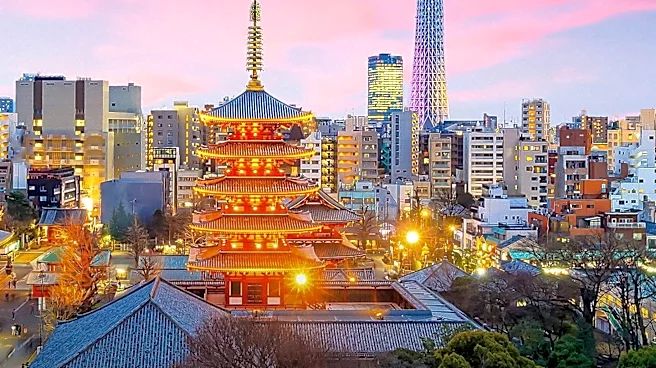
the most populous metropolitan area globally. The city offers a unique blend of historical heritage, particularly evident in areas like Asakusa with its temples and bustling shopping streets, and modern urban life. Key attractions include the Sensō-ji temple and the Sumida River. The best period to visit Tokyo spans from April to November, with cherry blossoms typically in bloom from late March to early April. While public transport is recommended due to dense traffic and parking regulations, visitors should be aware that many attractions, including temples and museums, often close around 5:00 p.m.
Why It's Important?
Tokyo's status as a global economic and cultural hub makes it a significant city on the international stage. Its role as the capital of Japan, coupled with its immense population, underscores its influence in global finance, technology, and cultural trends. The city's ability to seamlessly integrate centuries-old traditions with cutting-edge modernity offers a unique model for urban development and cultural preservation. For tourists, Tokyo represents a major destination, contributing significantly to Japan's tourism economy. The city's efficient public transportation system and diverse attractions, from historical sites to modern entertainment, highlight its appeal as a world-class city. Understanding Tokyo's dynamics provides insight into broader trends in urbanization, cultural exchange, and economic development in Asia and beyond.
What's Next?
As a dynamic global city, Tokyo will likely continue to evolve, balancing its rich historical identity with ongoing modernization. Future developments may focus on sustainable urban planning, further integration of technology into daily life, and continued efforts to attract international tourism and business. The city's infrastructure, particularly its public transport network, will remain a critical component of its functionality and appeal. Cultural events and festivals, such as the Kameido Tenjin Chrysanthemum Festival and Akasaka Palace Night Opening, will continue to draw visitors, reinforcing Tokyo's status as a vibrant cultural center. Ongoing efforts to manage tourism flow and preserve historical sites will also be key considerations for the city's future.
Beyond the Headlines
Beyond its immediate appeal as a tourist destination and economic powerhouse, Tokyo embodies a fascinating interplay between tradition and progress. The city's meticulous urban planning, efficient public services, and respect for cultural heritage within a hyper-modern context offer valuable lessons for other global cities. The coexistence of ancient temples and futuristic skyscrapers reflects a societal value that honors the past while embracing innovation. This balance contributes to Tokyo's unique identity and resilience. Furthermore, the city's approach to public transportation and urban density provides a case study in managing large populations effectively, offering insights into sustainable urban living and infrastructure development in the 21st century.