







What's Happening?
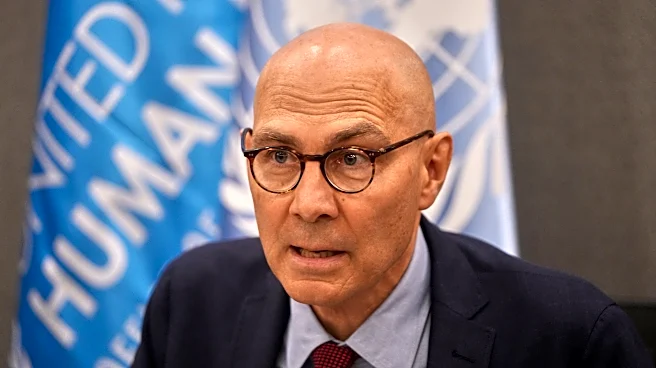
Jonathan Veitch, the head of UNICEF for the Palestinian territories, has criticized Israeli military actions for undermining Canadian aid efforts in Gaza. Veitch highlighted the destruction of water facilities and restrictions on aid groups as significant
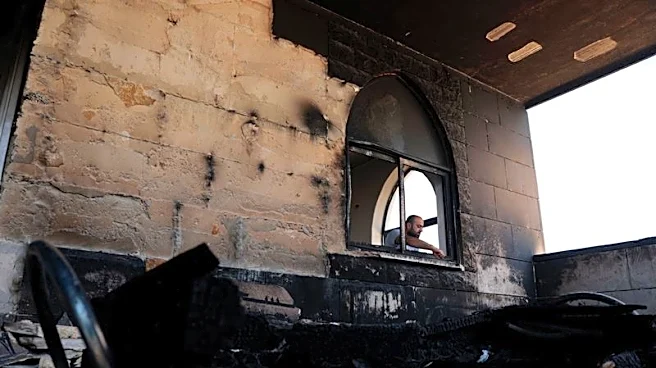
obstacles to humanitarian efforts. Despite Canada's substantial contributions to UNICEF and other UN agencies, the aid is being hampered by Israeli military actions, including the destruction of the Canada Well and attacks on water delivery personnel. The situation in Gaza remains dire, with families living in makeshift tents and facing severe water shortages and disease outbreaks. The Israeli military agency COGAT claims to facilitate humanitarian aid while preventing Hamas from misusing resources, but aid groups argue that the restrictions are overly broad.
Why It's Important?
The situation in Gaza has significant implications for international humanitarian efforts and regional stability. Canada's aid, which has been crucial in addressing acute malnutrition and supporting education, is being compromised, potentially leading to a humanitarian crisis. The restrictions imposed by Israel, intended to prevent the misuse of aid by Hamas, are seen by aid organizations as too restrictive, potentially exacerbating the humanitarian situation. This tension highlights the complex interplay between security concerns and humanitarian needs, affecting the lives of millions in Gaza and the broader geopolitical dynamics in the region.
What's Next?
The ongoing restrictions and destruction of infrastructure in Gaza suggest that humanitarian conditions may worsen unless there is a change in policy or increased international intervention. UNICEF and other aid organizations may need to negotiate further with Israeli authorities to ensure the delivery of essential supplies. The international community, including countries like Canada, may need to increase diplomatic efforts to address these challenges and ensure that aid reaches those in need without being diverted or restricted.
Beyond the Headlines
The broader implications of this situation include potential long-term impacts on the population of Gaza, particularly children, who are growing up in an environment of conflict and deprivation. The restrictions on aid and the destruction of infrastructure could lead to a 'lost generation' with limited access to education and healthcare, further destabilizing the region. Additionally, the situation raises ethical questions about the balance between security measures and humanitarian needs, challenging international norms and the effectiveness of aid delivery in conflict zones.