






What's Happening?
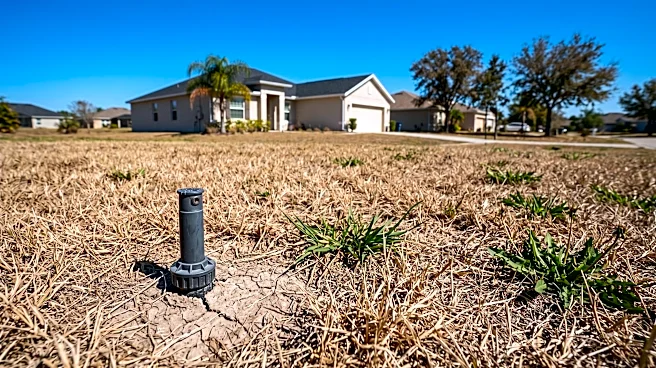
The Southwest Florida Water Management District (SWFWMD) Governing Board has voted to extend its Modified Phase III Water Shortage Order. This decision, made at a September 22 meeting, comes in response to persistent drought conditions across the region.
As a direct consequence, Polk County will continue to enforce its current irrigation restrictions, which mandate a one-day-per-week watering schedule with modified hours, through March 2027. These restrictions, initially slated to conclude after October 1, apply to all residences, businesses, and common areas served by Polk County Utilities, irrespective of their water source. This includes customers utilizing private wells and reclaimed water. Furthermore, Homeowners Associations (HOAs) are prohibited from enforcing community standards that would necessitate increased water usage beyond the approved schedule. Polk County Utilities will no longer issue courtesy letters for first infractions; instead, customers observed violating the watering schedule will receive a citation and potential fines as outlined by Polk County Ordinance No. 09-050. Other utilities' customers are advised to consult their specific municipality's or governing body's schedules, as their restrictions may be more stringent.
Why It's Important?
The extension of the water shortage order by SWFWMD underscores the severe and ongoing environmental challenges faced by the region due to drought. This decision has significant implications for water conservation efforts and public compliance in Florida. By extending the restrictions and implementing stricter enforcement measures, including immediate citations and fines, authorities aim to mitigate the impact of the drought on water resources. This move highlights the critical need for sustainable water management practices and raises awareness about the finite nature of water supplies, even in a state known for its abundant water bodies. The policy also places a greater burden on individual citizens and businesses to adhere to conservation guidelines, potentially altering daily routines and landscaping practices. For HOAs, the directive to not enforce standards that increase water usage is a notable shift, prioritizing regional water conservation over aesthetic community guidelines. This situation could serve as a precedent for other drought-prone areas in the U.S., emphasizing proactive measures and stringent enforcement in times of environmental stress.
What's Next?
The extended watering restrictions will remain in effect for Polk County through March 2027, requiring residents and businesses to continue adhering to the one-day-per-week schedule. Polk County Utilities will maintain its policy of issuing citations and fines for violations, foregoing initial courtesy letters. This suggests a continued focus on strict enforcement to ensure compliance and conserve water resources. Other municipalities and governing bodies in the region are expected to continue reviewing and potentially adjusting their own water restriction schedules based on the evolving drought conditions and SWFWMD's directives. The long-term outlook will depend on rainfall patterns and the severity of future dry seasons. The SWFWMD will likely continue to monitor water levels and drought indicators, potentially leading to further adjustments in water management policies. Public education campaigns may also be intensified to ensure residents are aware of the ongoing restrictions and the importance of water conservation.
Beyond the Headlines
This extended water shortage order reflects a broader trend of increasing water scarcity challenges across various regions of the U.S., often exacerbated by climate patterns. The shift from courtesy warnings to immediate citations in Polk County signals a more urgent and less tolerant approach to water conservation, indicating the severity of the drought. This could lead to a re-evaluation of water usage habits and infrastructure investments in the long term. The mandate preventing HOAs from enforcing water-intensive community standards also highlights a growing tension between local aesthetic preferences and regional environmental imperatives. This situation could prompt discussions about the legal and ethical responsibilities of community organizations in times of environmental crisis. Furthermore, the reliance on such stringent measures underscores the potential economic impacts on industries like landscaping and agriculture, which are heavily dependent on water availability, potentially driving innovation in water-efficient technologies and practices.