









What's Happening?
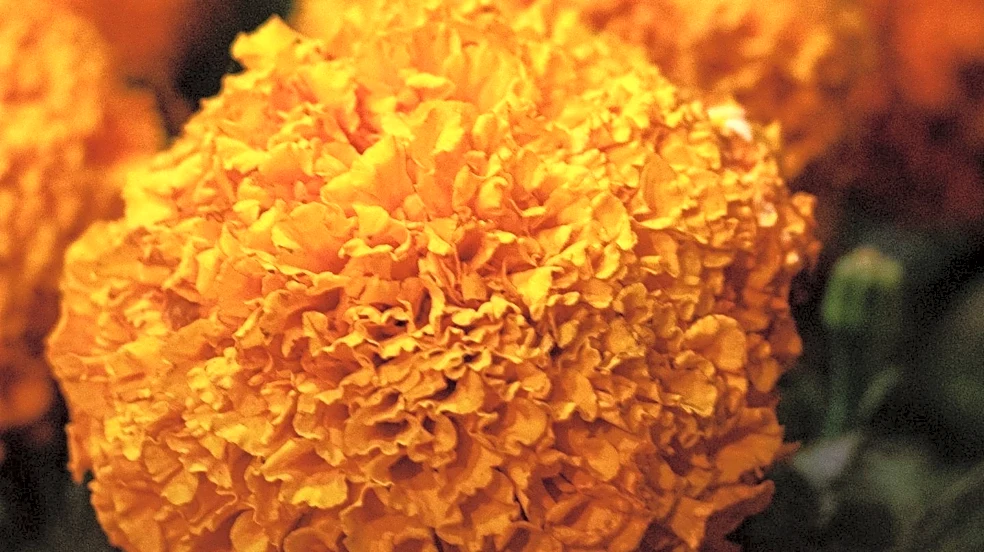
In Goa, marigolds (Tagetes erecta) are widely recognized beyond their ornamental and festive uses, particularly during Dussehra. These flowers contain limonene, a natural insect repellent effective against pests like whiteflies. When planted alongside
tomatoes, marigolds protect the plants from harmful root-knot nematodes by trapping and killing them before they can reproduce. The root exudates of marigolds also contain thiophenes, which possess anti-bacterial properties. However, due to these properties, marigolds should not be planted near legumes as they can adversely affect nitrogen-fixing Rhizobium japonicum bacteria. The Directorate of Agriculture in Goa has been actively promoting the commercial cultivation of marigolds by providing seedlings to farmers, recognizing the high demand for these flowers during festivals and wedding seasons. This initiative aims to provide additional income for farmers, especially tomato growers, from Dussehra and Diwali through the wedding season until the monsoon begins in June.
Why It's Important?
While this article focuses on Goa, India, the principles of natural pest control and the economic benefits of specific crops have broader implications, including for agricultural practices in the U.S. The use of marigolds as a natural repellent against pests like whiteflies and root-knot nematodes offers an eco-friendly alternative to chemical pesticides. This approach aligns with growing consumer demand in the U.S. for organic and sustainably grown produce, potentially influencing agricultural research and practices towards biological pest management. For U.S. farmers, especially those in organic farming or those looking to reduce chemical inputs, understanding the benefits of companion planting with marigolds could lead to more resilient and environmentally sound agricultural systems. Furthermore, the commercial viability of marigolds for both pest control and ornamental purposes could inspire similar agricultural diversification efforts in regions with suitable climates.
What's Next?
The success of marigold cultivation in Goa for both pest control and commercial purposes could serve as a model for other agricultural regions globally, including parts of the U.S. Agricultural research institutions in the U.S. might explore further studies into the efficacy of marigolds and other natural pest repellents in various climates and soil conditions. Farmers' cooperatives and agricultural extension services could begin to educate growers on the benefits and methods of incorporating marigolds into their crop rotation or companion planting strategies. This could lead to increased adoption of biological pest control methods, reducing reliance on synthetic pesticides. Additionally, the demand for marigolds for landscaping and ornamental purposes in the U.S. could see a boost if their dual benefits become more widely known, potentially creating new market opportunities for flower growers.
Beyond the Headlines
The story of marigolds in Goa highlights a broader global trend towards sustainable agriculture and integrated pest management. It underscores the value of traditional ecological knowledge combined with modern agricultural science to develop effective and environmentally friendly farming practices. The economic empowerment of farmers through the cultivation of multi-purpose crops like marigolds points to a model of agricultural development that prioritizes both ecological health and farmer livelihoods. This approach challenges the conventional reliance on monoculture and chemical-intensive farming, advocating for biodiversity and natural solutions. For the U.S., this could inspire a re-evaluation of agricultural subsidies and research priorities, shifting towards supporting ecological farming methods that benefit both the environment and rural economies, fostering a more resilient and sustainable food system.