




What's Happening?
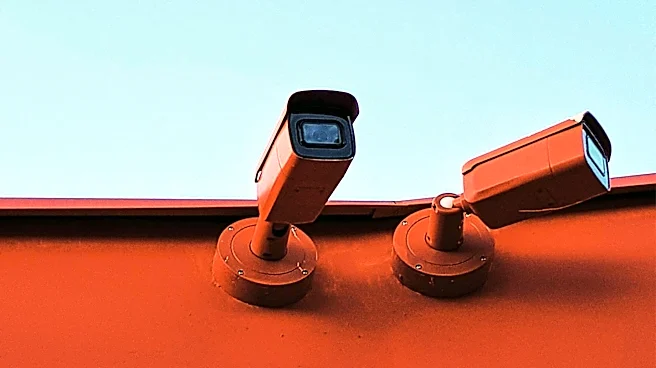
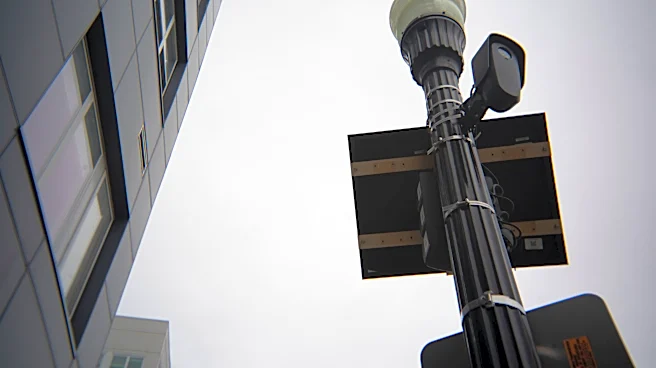
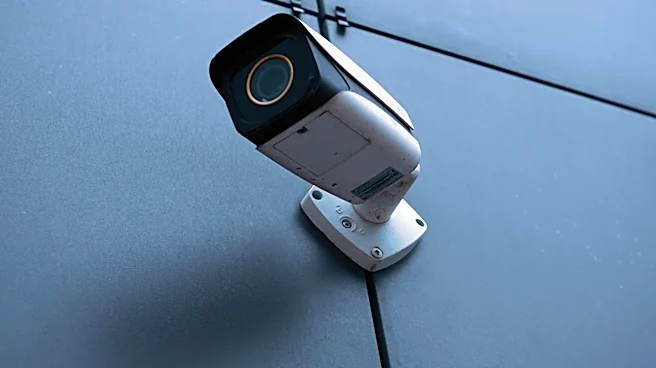
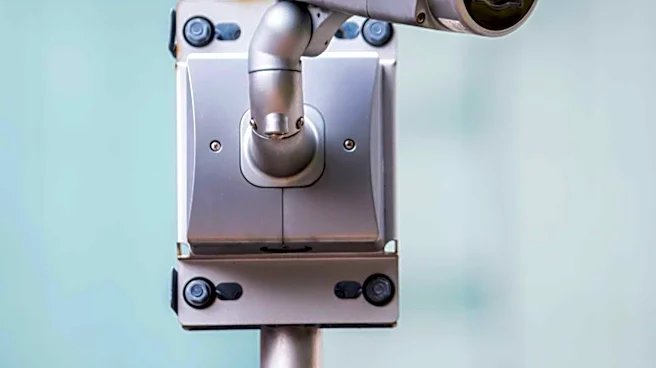
The proliferation of surveillance technology in the United States is raising significant privacy concerns. The use of Flock cameras, which are capable of reading license plates and powered by artificial intelligence, is expanding across the country. These
cameras, along with other surveillance tools, are being utilized by both government agencies and private companies. The U.S. government, for instance, has been partnering with AI companies to implement facial recognition technology. Additionally, the private sector is using surveillance for various purposes, such as tracking employee productivity and influencing consumer pricing in grocery stores. The widespread use of surveillance technology is becoming normalized, with individuals increasingly recording each other in public spaces without consent.
Why It's Important?
The growing surveillance state in the U.S. poses significant implications for privacy and civil liberties. As surveillance technology becomes more pervasive, there is a risk of eroding personal privacy and increasing government and corporate control over individuals' lives. The normalization of surveillance could lead to a society where privacy is a luxury only afforded to the wealthy. This trend raises ethical concerns about the balance between security and privacy, and the potential for misuse of surveillance data. The debate over surveillance technology is likely to influence public policy and legal frameworks surrounding privacy rights and data protection.
What's Next?
The future of surveillance in the U.S. will likely involve ongoing debates about privacy rights and the ethical use of technology. There is bipartisan support for ending certain surveillance practices, such as surveillance pricing in grocery stores, but broader legislative action may be needed to address the growing concerns. Individuals and advocacy groups may push for greater transparency and accountability in the use of surveillance technology. The outcome of these discussions could shape the regulatory landscape and influence how surveillance technology is deployed and monitored in the future.