






What's Happening?
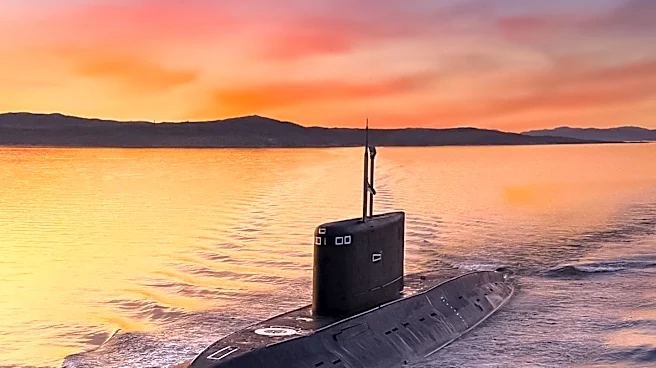
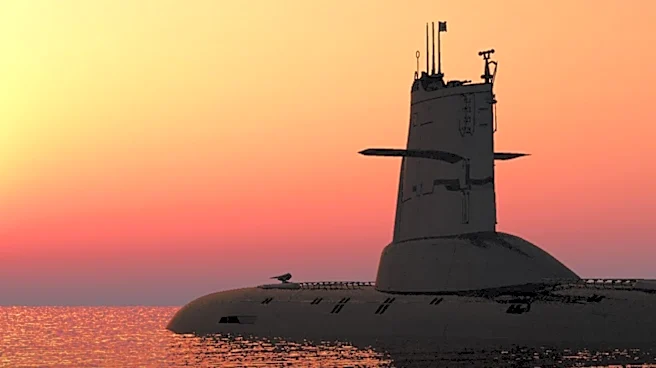
China recently conducted a test-launch of a long-range ballistic missile from a nuclear-powered submarine, which has raised significant concerns among countries in the Asia-Pacific region. The missile, believed to be either a JL-2 or JL-3, was launched
into the Pacific Ocean, reportedly carrying a dummy warhead. This test, part of China's routine annual training, was announced post-launch and has been criticized for its lack of transparency and the potential threat it poses to regional stability. The test has drawn protests from the United States, Australia, Japan, and New Zealand, among others, who view it as a provocative act that exacerbates tensions in an already militarized region.
Why It's Important?
The missile test underscores China's growing military capabilities and its commitment to modernizing its armed forces, which includes expanding its nuclear arsenal. This development is particularly concerning for neighboring countries and the broader international community, as it signals a potential shift in the balance of power in the region. The test has prompted countries like Japan and the Philippines to reassess and increase their defense spending and military readiness. The lack of transparency and communication from China regarding its military activities further complicates diplomatic relations and heightens the risk of misinterpretation and conflict.
What's Next?
In response to China's missile test, countries in the region are likely to continue bolstering their defense capabilities. Japan, for instance, is increasing its defense budget, while the Philippines is expanding its military cooperation with the United States. These actions may lead to an arms race in the region, as nations seek to counterbalance China's growing military presence. Diplomatic efforts to address these tensions will be crucial in preventing further escalation and ensuring regional stability.
Beyond the Headlines
The missile test highlights the broader issue of nuclear proliferation and the challenges of maintaining peace in a region with complex geopolitical dynamics. China's actions may prompt a reevaluation of existing treaties and agreements aimed at preventing the spread of nuclear weapons. Additionally, the test raises ethical questions about the role of military power in international relations and the responsibilities of nuclear-capable nations to act transparently and responsibly.