







What's Happening?
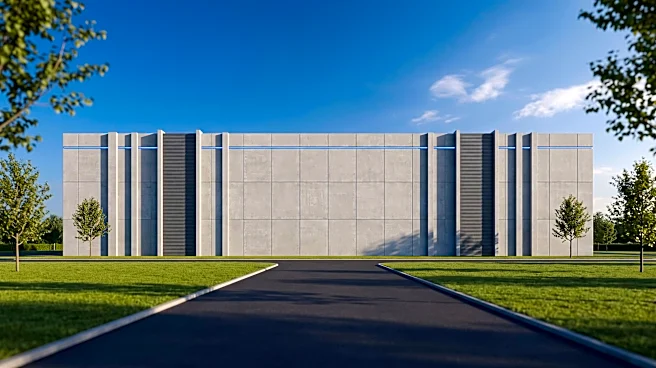
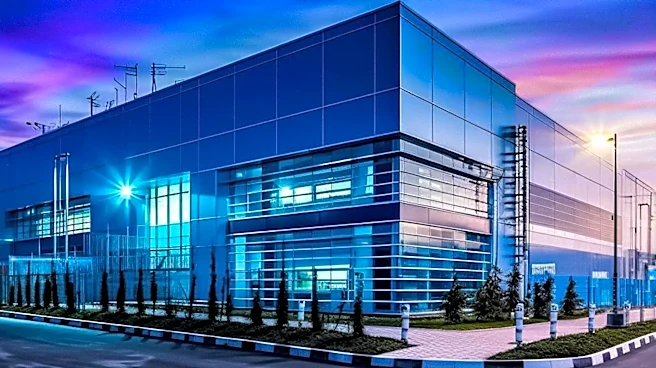
Voter concerns regarding data centers are becoming a significant issue in the upcoming midterm elections, according to NBC News Political Reporter Allan Smith and Senior National Political Reporter Jon Allen. Lawmakers are actively grappling with this
topic on their campaign trails. The discussion highlights how local infrastructure and technological developments can translate into broader political debates, influencing voter sentiment and potentially impacting election outcomes. This development suggests a growing awareness among the electorate about the implications of large-scale technological installations on their communities, ranging from environmental impacts to resource consumption and local economic effects. The issue is reportedly cutting across traditional party lines, indicating a bipartisan concern that candidates must address to appeal to a wider range of voters. The emergence of data centers as a campaign talking point underscores a shift in political discourse, where technological infrastructure is no longer solely a business or urban planning matter but a critical electoral concern.
Why It's Important?
The rising prominence of data centers as a midterm election issue signifies a crucial shift in how technological infrastructure is perceived by the American public and political figures. Historically, discussions around technology often focused on innovation and economic growth. However, this development indicates a growing public awareness and concern about the localized impacts of such infrastructure, including potential strains on energy grids, water resources, and land use. For U.S. industries, particularly the tech sector, this means increased scrutiny and potential regulatory challenges, as politicians respond to voter demands. It could lead to more stringent environmental reviews, zoning restrictions, or even moratoriums on new data center constructions in certain areas. For politics, it introduces a new dimension to campaign platforms, forcing candidates to articulate clear stances on technology development and its community impacts. This issue could also influence local and state-level policy-making, potentially shaping future economic development strategies and environmental protection efforts. The bipartisan nature of these concerns suggests that the issue has broad appeal and could become a defining factor in close electoral races, compelling candidates to engage with complex technical and environmental considerations.
What's Next?
As data centers become a more prominent issue in the midterm elections, several immediate and long-term consequences are foreseeable. Candidates will likely be pressed to articulate specific policies and solutions regarding data center development, potentially leading to new legislative proposals at local and state levels. This could include initiatives for more sustainable energy sourcing for data centers, stricter environmental impact assessments, or community benefit agreements to offset local strains. We might also see increased public engagement and advocacy from environmental groups and local communities, pushing for greater transparency and accountability from tech companies and government bodies. Post-election, the outcomes could influence the regulatory landscape for the tech industry, potentially leading to new permitting processes or even moratoria on data center construction in areas where voter concerns are particularly strong. Businesses in the tech sector may need to adapt their development strategies to incorporate community feedback and environmental considerations more proactively. The debate could also spur innovation in more energy-efficient data center technologies and practices, as companies seek to mitigate their environmental footprint and address public concerns.
Beyond the Headlines
The emergence of data centers as a significant electoral issue reflects deeper societal shifts concerning technology, environment, and local governance. Beyond the immediate political implications, this trend highlights a growing tension between rapid technological expansion and community well-being. Ethically, it raises questions about the responsibility of tech giants to the communities they operate within, particularly regarding resource consumption and environmental impact. Legally, it could lead to new precedents in environmental law and land-use regulations, as communities seek to exert greater control over industrial development. Culturally, it signifies a shift in public perception, where the benefits of technological advancement are increasingly weighed against their localized costs. This development could trigger a long-term re-evaluation of how large-scale infrastructure projects are planned and implemented in the U.S., emphasizing community input and sustainable practices. It also underscores the evolving nature of political issues, where previously niche topics can quickly become mainstream concerns, driven by local impacts and broader environmental awareness. This could foster a more integrated approach to policy-making, where economic development, environmental protection, and community interests are considered holistically.