






What's Happening?
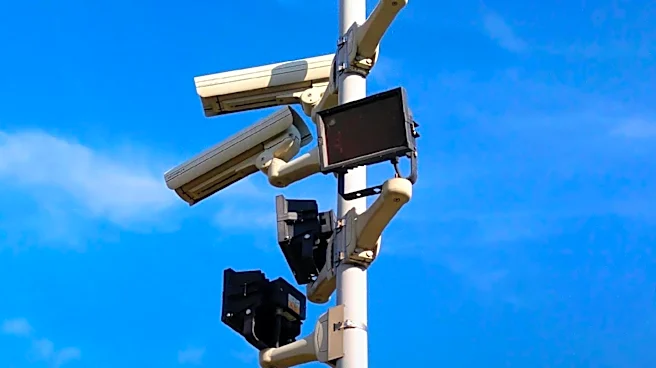
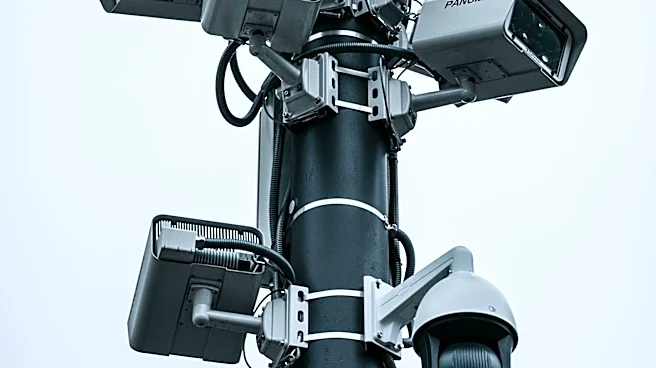
In Delaware, the use of Flock Safety's automated license plate readers (ALPRs) is sparking a heated debate. The American Civil Liberties Union (ACLU) has launched a campaign to raise awareness about the potential misuse of these surveillance tools, which
can capture hundreds of images per minute. Critics argue that the technology constitutes warrantless mass surveillance and that data is shared with federal and local law enforcement without proper oversight. Despite these concerns, police departments in Delaware, including those in Rehoboth Beach and New Castle County, praise the technology for its role in solving crimes such as hit-and-runs and burglaries. However, the controversy has led some jurisdictions to reconsider their use of Flock's technology.
Why It's Important?
The situation in Delaware reflects a broader national conversation about the use of surveillance technology and its implications for privacy and civil liberties. The deployment of ALPRs raises questions about the balance between effective law enforcement and the protection of individual rights. The outcome of this debate could influence how other states and municipalities regulate the use of surveillance technology, potentially leading to new legislation and policies aimed at safeguarding privacy while allowing for effective policing.
What's Next?
As the debate continues, Delaware may see increased pressure from advocacy groups and citizens to implement stricter regulations on the use of ALPRs. Lawmakers could introduce legislation to establish clear guidelines and oversight mechanisms for the use of surveillance technology. Meanwhile, police departments may need to enhance transparency and accountability to maintain public trust. The ACLU and other organizations are likely to continue advocating for reforms to protect privacy rights.