






What's Happening?
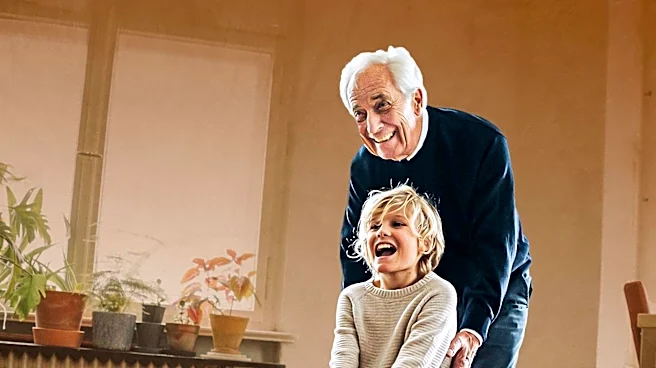
Nearly two in five parents with young children, specifically 37%, anticipate receiving financial assistance from their parents or grandparents in the coming year, according to the BMO Real Financial Progress Index. This reliance on older generations,
often referred to as the 'Bank of Baby Boomers,' is a direct response to the escalating costs of raising children in the U.S. The report indicates that 82% of American parents believe the cost of raising children has become 'out of control,' with 86% struggling with everyday expenses like daycare, after-school programs, and school supplies. Beyond financial aid, 43% of parents depend on grandparents for childcare, and 26% expect family members to contribute to their children's future savings, such as 529 plans. This trend signifies a shift where younger families are actively seeking support from older relatives rather than solely waiting for a 'Great Wealth Transfer.'
Why It's Important?
This increasing dependence on Baby Boomer relatives highlights a significant societal and economic challenge in the U.S.: the affordability crisis for families with young children. The financial strain on parents, with some spending an average of 20% of their annual income on childcare, far exceeding the U.S. Department of Health and Human Services' benchmark of 7% for affordable childcare, is unsustainable. This situation not only impacts the immediate financial well-being of younger families but also has broader implications for their ability to save for the future, invest in their careers, and maintain mental health. The report notes a 5% increase in parents considering suicide or self-harm due to caregiving pressures, underscoring the severe mental health toll. The reliance on older generations, while providing a temporary buffer, also raises questions about the long-term financial stability of both younger and older households, as Boomers may be drawing down their own savings to support their children and grandchildren.
What's Next?
The continued reliance on Baby Boomer relatives for financial and childcare support suggests a growing need for systemic solutions to the affordability crisis in the U.S. Policymakers may face increased pressure to address the high costs of childcare, housing, and education, potentially through expanded subsidies, tax credits, or universal programs. Businesses might also need to consider more flexible work arrangements and enhanced family benefits to support their employees. For families, the trend indicates a potential for increased intergenerational living arrangements or closer family networks to pool resources and support. However, this also necessitates open communication and financial planning within families to manage expectations and ensure the sustainability of such support. Without broader structural changes, the 'Bank of Baby Boomers' may become increasingly strained, potentially impacting the financial security of the older generation as well.
Beyond the Headlines
The phenomenon of parents leaning on Baby Boomer relatives for support reveals deeper societal shifts beyond mere economics. It underscores a weakening of traditional social safety nets and an increasing privatization of welfare, where family units are expected to absorb the costs that broader societal structures once managed. This trend could exacerbate wealth inequality, as families with financially secure older generations have a distinct advantage over those without. Ethically, it raises questions about the fairness and sustainability of a system where the financial well-being of one generation is heavily dependent on the resources of another. Culturally, it might lead to a redefinition of family roles and responsibilities, potentially strengthening intergenerational bonds but also creating new pressures and expectations. The mental health crisis among parents, as highlighted by the report, points to a critical need for a more holistic approach to family support that addresses both financial and emotional burdens.