





What's Happening?
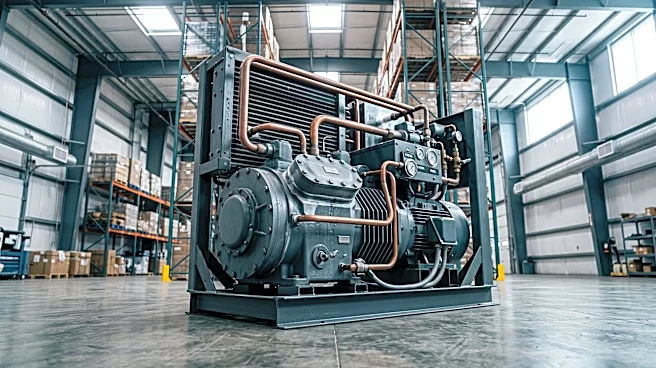
The Cybersecurity and Infrastructure Security Agency (CISA), alongside the FBI and the Departments of Agriculture, Health and Human Services, and Transportation, has issued guidance regarding malicious cyber activity targeting industrial refrigeration
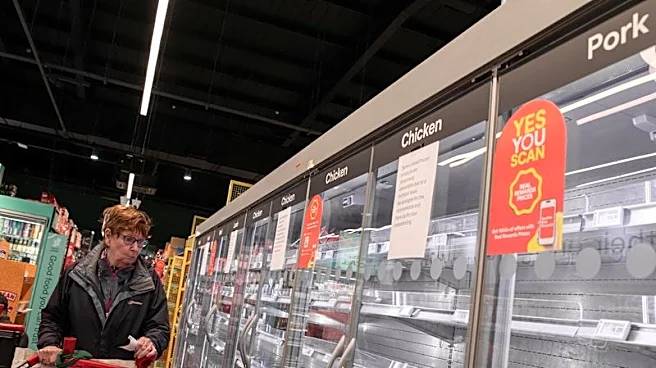
and cold chain monitoring systems globally. This advisory follows a series of cyberattacks in August on six commissaries located on U.S. military bases, with similar incidents reported in Europe. The attacks exploit vulnerabilities in unpatched or internet-accessible controllers, allowing threat actors to remotely alter settings and force refrigeration units into continuous heating and defrost cycles. This can lead to widespread inventory loss and equipment hazards. Lauryn Williams, deputy director and senior fellow in the Strategic Technologies Program at the Center for Strategic and International Studies, noted parallels between these attacks and a July hack of water utility companies, highlighting persistent vulnerabilities in information technology and operational technology (IT/OT) systems. The guidance urges operators to patch and update their systems or take them offline until they are secure.
Why It's Important?
These cyberattacks underscore critical infrastructure security gaps within U.S. military facilities and broader civilian sectors. The targeting of refrigeration systems, essential for food supply chains and medical storage, reveals a significant vulnerability that could impact military readiness, public health, and economic stability. The ability of attackers to cause widespread inventory loss and equipment damage highlights the potential for disruption beyond data breaches, directly affecting physical assets and operations. The involvement of multiple federal agencies in issuing guidance emphasizes the national security implications of these threats. Furthermore, the increasing use of artificial intelligence by attackers to quickly identify and exploit vulnerabilities means that the speed and sophistication of cyber threats are escalating, requiring more robust and proactive defense strategies from both government and private sector entities.
What's Next?
CISA's guidance calls for immediate actions from operators, including reducing public internet exposure of control system devices, creating dedicated OT virtual local area networks (VLANs) to separate OT devices from business networks, restricting access, ensuring reliable backups, applying software patches, and enforcing credential security. The effectiveness of these measures will largely depend on the voluntary compliance of critical infrastructure owners and operators, as U.S. cybersecurity policy often relies on guidance rather than mandatory requirements. Lauryn Williams suggests that these incidents might spur greater awareness of IT/OT system vulnerabilities. However, the long-term impact will hinge on whether these voluntary guidelines translate into widespread adoption of enhanced cyber hygiene practices across both military and civilian critical infrastructure sectors to mitigate future attacks.
Beyond the Headlines
The recurring nature of these cyberattacks, from water utilities to military base refrigeration systems, points to a systemic issue in the security posture of critical infrastructure. The reliance on voluntary guidance rather than mandatory regulations for privately-owned and operated utilities creates a patchwork of security, potentially leaving vital systems exposed. This situation raises ethical questions about the balance between regulatory burden and national security, especially as AI-driven threats become more prevalent. The implications extend to the broader concept of cyber warfare, where non-state actors or adversarial nations could leverage such vulnerabilities to inflict economic damage or disrupt essential services without direct military engagement. Addressing these deep-seated vulnerabilities will require a fundamental shift in cybersecurity policy, potentially moving towards more stringent requirements and greater collaboration between government and industry.