
What's Happening?
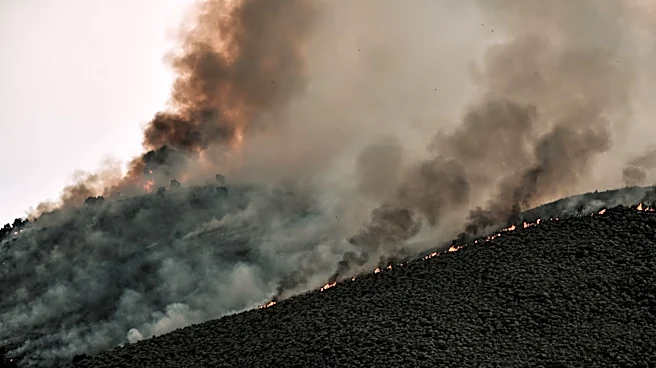
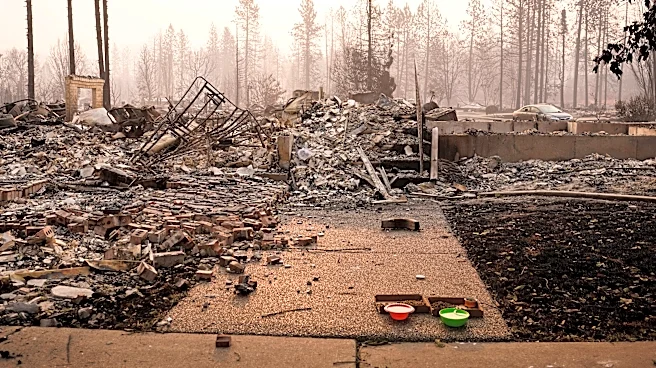
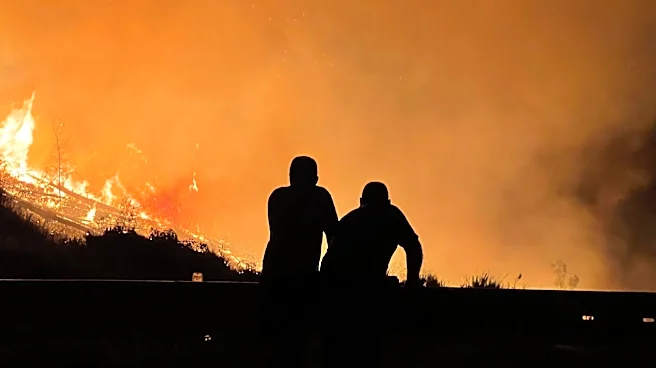
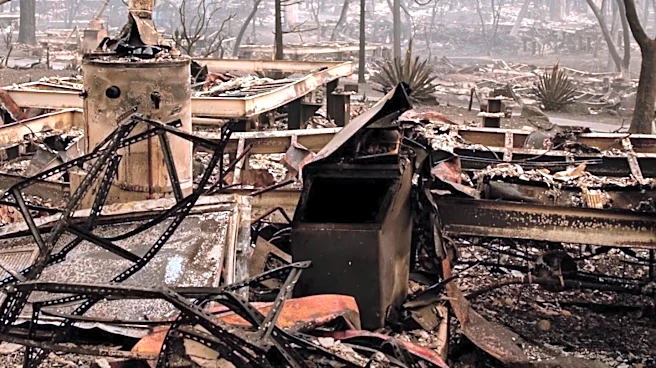
Wildfires near Spokane, Washington, have intensified due to strong winds and dry vegetation, burning over 10,000 acres and destroying hundreds of structures. The fires, known as the Autumn Lane, Old Trails,
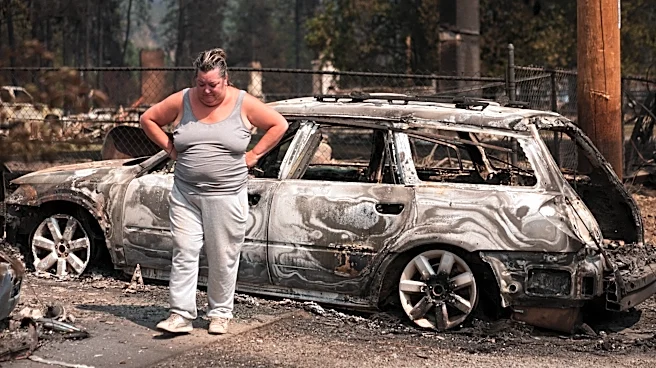
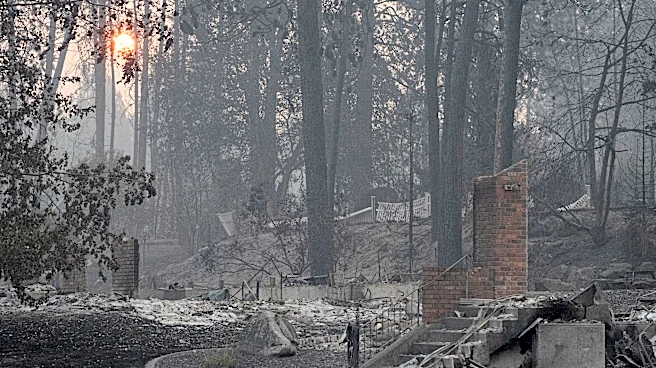
and Fairview fires, have forced tens of thousands to evacuate, with many returning to find their homes destroyed. Managed by California Team Seven, the firefighting efforts are transitioning from containment to mop-up operations. The fires are fueled by the driest conditions in 21 years, with dead fuels ranging from fine grasses to heavy timber. Firefighters have extinguished several new spot fires, but officials warn of the potential for new ignitions. A Spokane resident has been charged with first-degree arson in connection with one of the fires. More than 40 large fires are currently burning in Washington and Oregon, marking the worst fire season in over 30 years for both states.
Why It's Important?
The wildfires near Spokane highlight the increasing threat of fire seasons exacerbated by climate change, impacting public safety, property, and air quality. The destruction of homes and infrastructure poses significant challenges for affected communities, requiring extensive recovery efforts. The fires also contribute to poor air quality across the Northwest, affecting public health and necessitating ongoing monitoring and response. The situation underscores the need for effective fire management strategies and climate adaptation measures to mitigate future risks. The arrest of an individual for arson raises concerns about human contributions to wildfire incidents, emphasizing the importance of prevention and enforcement measures.
What's Next?
Firefighters will continue mop-up operations to secure containment lines and prevent further spread. Authorities will monitor air quality and provide updates to affected communities. The legal proceedings against the individual charged with arson will proceed, potentially influencing future fire prevention policies. As the fire season progresses, additional resources may be deployed to manage ongoing and new fire incidents. The situation may prompt discussions on climate change adaptation and fire management strategies at local and state levels.