



What's Happening?
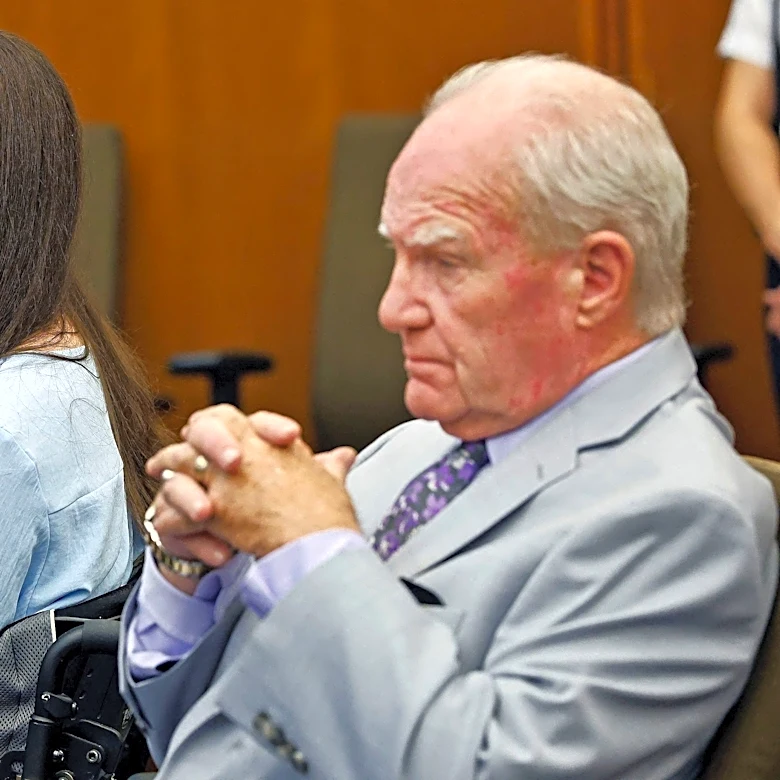
Agostino S. Abbatiello, 24, identified as the alleged ringleader of a cocaine trafficking operation involving two Penn State fraternities, was granted $250,000 secured bail during his first court hearing. Initially denied bail, his attorney successfully
argued that Abbatiello is not a flight risk or a danger to the community, proposing he would reside at his parents' home without drugs or weapons. The prosecution had advocated for a $5 million bail, citing the severity of trafficking drugs into the community. Testimonies from other defendants, including Thomas Robinson, Mohammed S. Huraibi, and Lars Zeepvat, detailed Abbatiello's alleged role in supplying cocaine. Officer Donald Paul of the Centre County Drug Task Force stated that Abbatiello was considered the 'top of the food chain' and the primary source for cocaine in the college area, with approximately 5-7 individuals working for him. Abbatiello is prohibited from contacting any witnesses or consuming alcohol as part of his bail conditions.
Why It's Important?
This case highlights the persistent issue of drug trafficking within university communities, particularly involving fraternities, and its potential impact on student welfare and campus safety. The alleged scale of the operation, with Abbatiello identified as a major supplier, underscores the challenges law enforcement faces in combating illicit drug networks in seemingly innocuous environments. The testimonies detailing the use of platforms like Snapchat for drug transactions also bring attention to the evolving methods used by traffickers and the difficulties in monitoring such activities. For Penn State, this incident could prompt a review of fraternity oversight and drug prevention programs. The granting of bail, despite the prosecution's concerns, also raises questions about the balance between individual rights and public safety in high-profile drug cases, potentially influencing future legal proceedings and bail decisions in similar situations.
What's Next?
The legal proceedings for Agostino S. Abbatiello and the other defendants are ongoing, with further hearings expected. The testimonies already provided by co-defendants will likely play a crucial role in the prosecution's case. The conditions of Abbatiello's bail, including the prohibition of contact with witnesses, aim to prevent obstruction of justice. The case will continue to unfold in court, with potential for plea bargains or a full trial. This incident may also lead to increased scrutiny of fraternity activities at Penn State and other universities, potentially resulting in stricter regulations or enhanced drug awareness campaigns. Law enforcement agencies may also adapt their strategies to better monitor and disrupt drug trafficking operations that utilize social media platforms, reflecting the evolving nature of criminal activity in the digital age.
Beyond the Headlines
This case delves into the deeper societal implications of drug culture within collegiate settings, particularly the normalization of drug use and distribution among certain student populations. The alleged involvement of multiple fraternity members and the description of cocaine being openly available at after-parties suggest a systemic issue that extends beyond individual actions. It raises questions about the responsibility of universities and Greek life organizations in fostering environments that deter such activities. Furthermore, the testimonies reveal the hierarchical nature of drug networks, with individuals like Abbatiello allegedly leveraging their position to become primary suppliers. The case could also spark a broader conversation about the effectiveness of current drug education and prevention programs, and whether they adequately address the realities of drug availability and peer pressure on college campuses. The long-term consequences for the individuals involved, their families, and the reputation of the fraternities and university will be significant.