





What's Happening?
The African Development Bank (AfDB) has issued a warning regarding the potential economic and humanitarian impacts of an unusually strong El Niño weather event on African nations, including Somalia. This climatic phenomenon is expected to cause significant
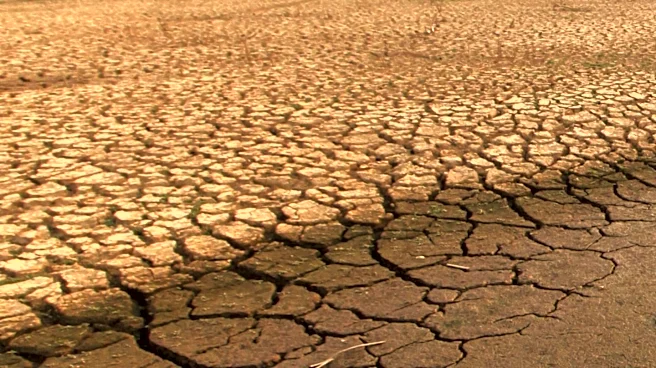
disruptions, leading to a potential economic loss of $10 to $20 billion across the continent. The AfDB's Director of Climate Change and Green Growth, Anthony Nyong, highlighted that affected countries could see a reduction in GDP by 1-2% due to the adverse effects on agriculture, infrastructure, and government finances. The event is anticipated to exacerbate existing vulnerabilities, particularly in countries like Somalia, which are already facing challenges such as food insecurity and resource competition.
Why It's Important?
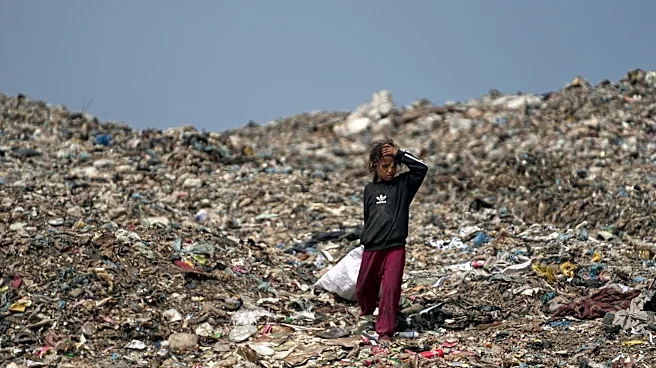
The implications of this El Niño event are profound, as it threatens to undermine economic recovery efforts in Africa, including Somalia. The anticipated agricultural disruptions could lead to increased food prices and deepen food insecurity, affecting millions who rely on rain-fed farming. Additionally, the strain on government resources could force a reallocation of funds from essential services like healthcare and education to emergency relief efforts. This situation could further delay development priorities and increase borrowing needs, placing additional fiscal pressure on already fragile economies. The potential for mass migration due to agricultural losses and economic instability poses further challenges for regional stability.
What's Next?
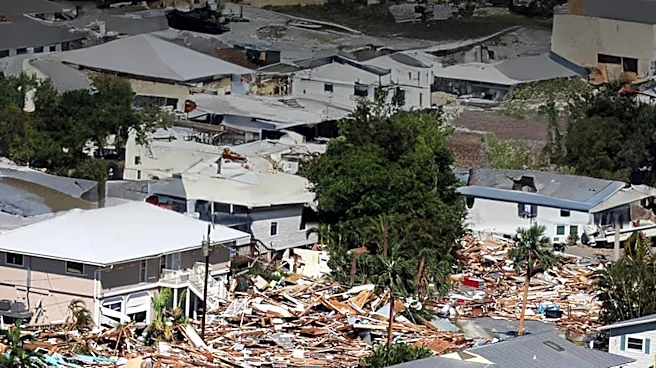
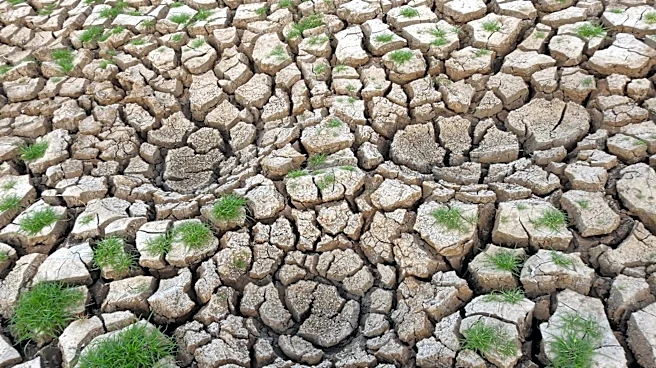
Governments and international organizations are urged to prepare for the impending impacts by utilizing seasonal forecasts and early warning systems. The World Meteorological Organization has emphasized the need for proactive measures to mitigate the effects of expected heatwaves, droughts, and floods. For Somalia and other affected nations, the focus will likely be on strengthening resilience in climate-sensitive sectors such as agriculture and water resources. The international community may also need to consider increased aid and support to help these countries navigate the economic and humanitarian challenges posed by this El Niño event.
Beyond the Headlines
The situation underscores the broader issue of climate change and its disproportionate impact on vulnerable regions like Africa. Despite contributing minimally to global greenhouse gas emissions, African nations are facing severe climate-related challenges. This highlights the need for global cooperation in addressing climate change and supporting adaptation efforts in developing countries. The recurring nature of such climate events also points to the necessity of long-term strategies to build resilience and reduce dependency on climate-sensitive economic activities.