




What's Happening?
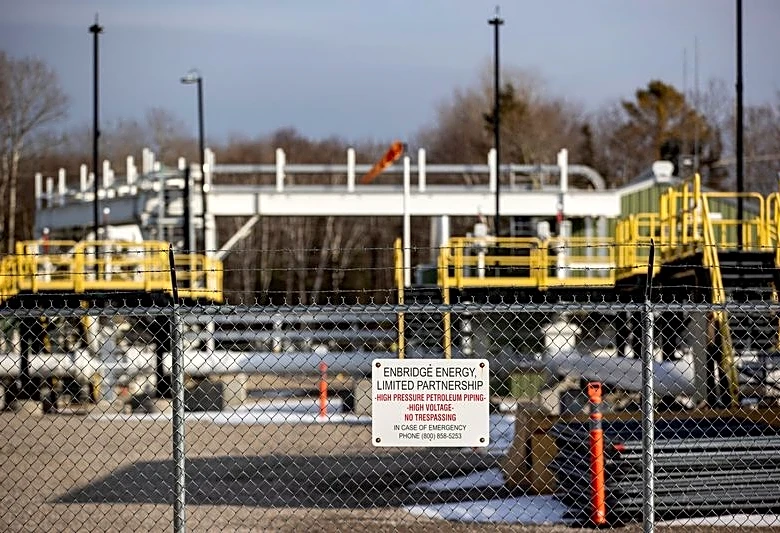
The U.S. Environmental Protection Agency (EPA) has implemented the Methane Super Emitter Program (SEP) to address large methane emissions events, which pose significant health risks due to the presence of hazardous air pollutants like benzene. According
to research by PSE Healthy Energy, 99% of natural gas samples near extraction points contain such pollutants. The SEP, established in 2024, aims to improve detection, reporting, and mitigation of these emissions by partnering with third-party remote sensing companies. Oil and gas operators are required to investigate and report on detected super-emitter events, although the program is limited by federal regulations defining what constitutes a super-emitter event.
Why It's Important?
The program is crucial for public health and environmental protection, as methane emissions contribute to climate change and air quality degradation. The presence of benzene and other hazardous pollutants in emissions poses acute health risks to nearby communities. By enhancing detection and mitigation efforts, the SEP seeks to reduce these risks and improve air quality. The program also highlights the need for stronger regulatory frameworks to ensure compliance and accountability among oil and gas operators, which could lead to broader policy changes at both state and federal levels.
What's Next?
Future steps include expanding the scope of the SEP to cover more emission sources and enhancing state-level regulations to complement federal efforts. There is also a push for increased transparency in gas composition data and stronger enforcement of leak detection and repair requirements. These measures aim to protect communities and workers from the health impacts of methane emissions and to support the transition to more sustainable energy practices.