




What's Happening?
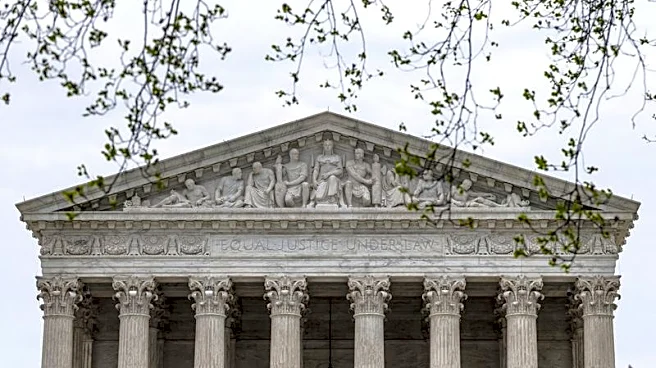
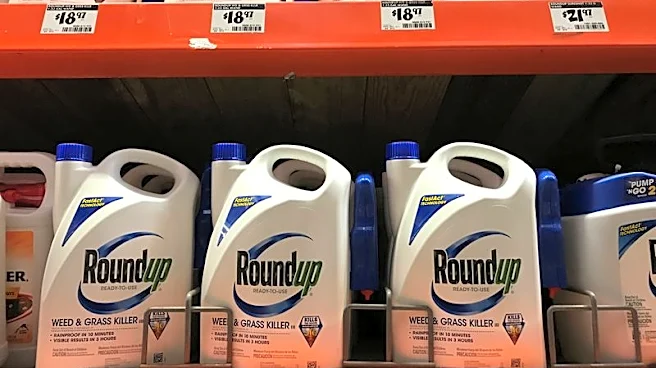
The Make America Healthy Again (MAHA) movement, a coalition advocating for healthy food and reduced chemical use, is facing a significant test in its alliance with President Trump. The Supreme Court is set to hear a case regarding whether federal law
preempts state lawsuits claiming that glyphosate, a chemical in Bayer's herbicide Roundup, causes cancer. Concurrently, the U.S. House is considering a farm bill that includes protections for glyphosate. This situation has put MAHA at odds with Trump and many Republicans, as the movement opposes glyphosate, which is widely used in U.S. agriculture. The tension follows a previous conflict when Trump signed an executive order to boost domestic glyphosate production, prompting intervention from Health and Human Services Secretary Robert F. Kennedy Jr. to manage the fallout.
Why It's Important?
The conflict between MAHA and the Trump administration highlights a significant rift within the Republican coalition, which could impact the upcoming 2026 midterm elections. With Trump's approval ratings declining, maintaining support from groups like MAHA is crucial for Republicans to retain their congressional majorities. The administration's support for glyphosate, despite health concerns, underscores a broader debate over agricultural practices and public health. The outcome of the Supreme Court case and the farm bill could set precedents for federal versus state regulatory powers and influence future agricultural policy. The situation also presents an opportunity for Democrats to attract MAHA supporters by aligning with their health-focused agenda.
What's Next?
The Supreme Court's decision on glyphosate and the passage of the farm bill will be pivotal in determining the future of glyphosate regulation in the U.S. If the court rules in favor of federal preemption, it could limit state-level lawsuits against glyphosate manufacturers. The farm bill's provisions could further shield pesticide companies from liability, affecting consumer protection and state regulatory authority. Political reactions are likely, with Democrats potentially leveraging the issue to gain support from health-conscious voters. The Republican Party may need to address internal divisions to maintain electoral support.
Beyond the Headlines
The glyphosate debate raises broader questions about the role of science in public policy and the balance between economic interests and public health. The case highlights the challenges of regulating widely used chemicals and the influence of corporate interests in shaping policy. It also reflects a growing public awareness and activism around environmental health issues, which could drive long-term changes in consumer behavior and regulatory approaches.