




What's Happening?
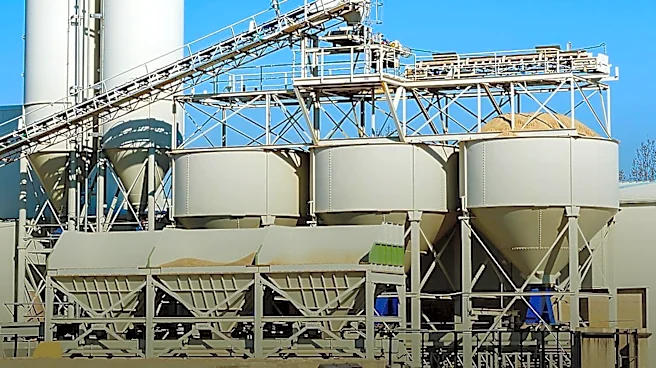
Residents surrounding the Shady Grove Transfer Station in Derwood, Maryland, voiced strong opposition to any plans that would increase the amount of waste processed through the facility. This concern was raised during a community meeting hosted by Councilmembers
Dawn Luedtke (D-Dist. 7) and Sidney Katz (D-Dist. 3) at the county Department of Highway Services Depot in Gaithersburg. The meeting was held as elected officials continue to deliberate the future of the Dickerson incinerator, also known as the Resource Recovery Facility, which has been operational since 1995. The Dickerson incinerator currently processes approximately 600,000 tons of the county’s waste annually, converting it into energy, with the remaining ash transported to a landfill near Richmond, Virginia. Residents are advocating for a 'Plan C' for waste management, indicating a desire for alternative solutions beyond simply diverting more waste to the Shady Grove Transfer Station.
Why It's Important?
This situation highlights a significant challenge faced by many communities across the U.S. in managing waste effectively and sustainably. The debate over the Dickerson incinerator and the potential increased burden on the Shady Grove Transfer Station underscores the tension between environmental concerns, public health, and infrastructure capacity. Residents' calls for a 'Plan C' reflect a growing demand for innovative and less impactful waste management solutions, moving beyond traditional incineration or landfill expansion. The outcome of this discussion will directly affect the quality of life for residents near the transfer station, potentially impacting air quality, traffic, and property values. It also has broader implications for county-level waste management strategies, influencing future investments in recycling, composting, and waste-to-energy technologies.
What's Next?
Elected officials will continue to consider the future of the Dickerson incinerator and the overall waste management strategy for the county. The feedback from residents at the community meeting will likely play a crucial role in these deliberations. It is probable that the Department of Environmental Protection will be tasked with exploring and presenting alternative waste management solutions, potentially including enhanced recycling programs, composting initiatives, or new waste processing technologies. Residents and community groups are expected to remain engaged, advocating for solutions that minimize environmental impact and address their concerns. The county may also explore regional partnerships or state-level funding opportunities to implement more sustainable waste management infrastructure.
Beyond the Headlines
The community's demand for a 'Plan C' signifies a shift in public perception regarding waste management, moving beyond simply disposing of waste to actively seeking more environmentally sound and community-friendly approaches. This reflects a broader national trend where communities are increasingly scrutinizing the environmental and health impacts of waste facilities. The reliance on an incinerator that has been operating since 1995 also brings to light the aging infrastructure of waste management systems in many parts of the U.S. and the need for modernization. This situation could serve as a case study for how local governments balance economic considerations, environmental stewardship, and community well-being in developing long-term waste management strategies, potentially influencing policy decisions in other jurisdictions facing similar challenges.