




What's Happening?
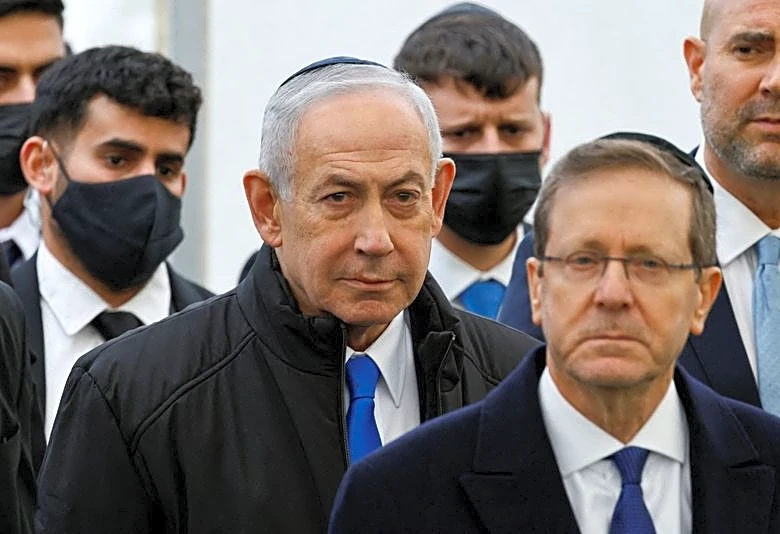
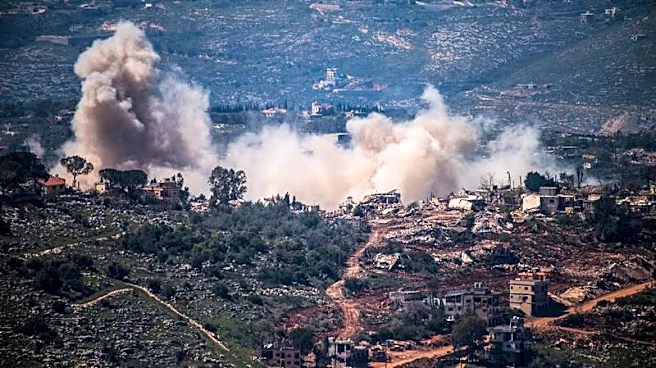
Israeli Prime Minister Benjamin Netanyahu is facing public dissatisfaction as the goals of the U.S.-Israeli campaign against Iran remain unfulfilled. The campaign, which began in late February, aimed to degrade Iran's military capabilities and eradicate
its nuclear and missile programs. However, despite some military successes, Iran remains a threat, and the ceasefire announced earlier this month has not achieved the intended outcomes. The recent poll indicates widespread dissatisfaction with Netanyahu's wartime leadership, and the ceasefire with Hezbollah has further fueled public discontent.
Why It's Important?
The public's dissatisfaction with Netanyahu's handling of the conflict could have significant political implications, especially with elections looming. The inconclusive outcomes of the wars with Iran and Hezbollah have left many Israelis feeling fatigued and disappointed, potentially affecting Netanyahu's political standing. The situation also highlights the complexities of Israel's relationship with the United States, as President Trump's interests may diverge from those of Netanyahu. The ongoing tensions and unresolved conflicts could impact regional stability and Israel's security landscape.
What's Next?
As elections approach, Netanyahu may face increased pressure to demonstrate effective leadership and achieve tangible security gains. The Israeli government may need to reassess its strategies and engage in diplomatic efforts to address public concerns. The relationship between Israel and the United States will also be a critical factor, as both countries navigate their strategic interests in the region. The outcome of the elections could influence Israel's future approach to regional conflicts and its alliance with the U.S.