






What's Happening?
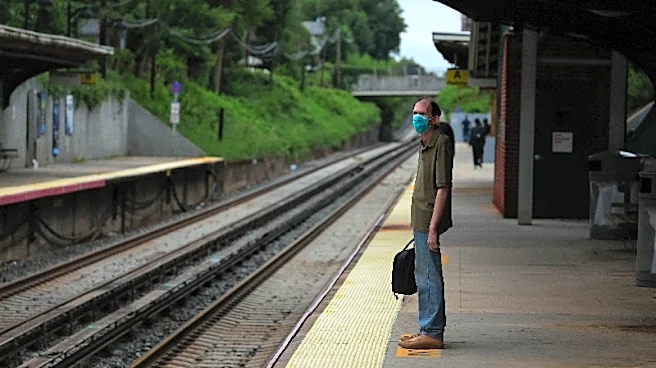
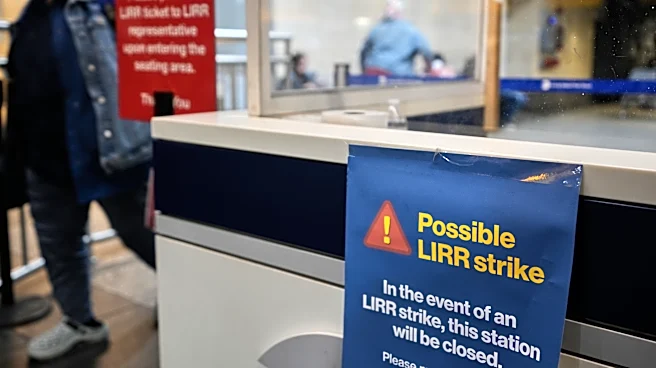
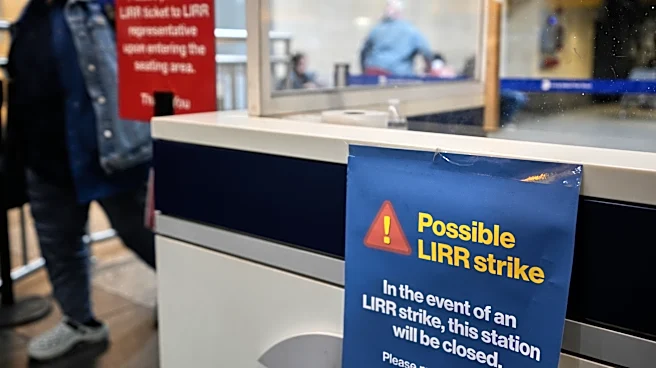
Thousands of Long Island Rail Road (LIRR) employees have initiated a strike, marking the first work stoppage for the railroad in 32 years. The strike involves 3,500 workers and is a result of failed negotiations between the Metropolitan Transportation
Authority (MTA) and the unions over the fourth year of a new contract. The strike has caused significant disruptions for commuters in New York, as the LIRR is the busiest commuter rail service in North America. The last time a similar strike occurred was in 1994, highlighting the rarity and potential impact of the current situation.
Why It's Important?
The strike has significant implications for New York's transportation infrastructure and daily commuter routines. As the LIRR is a critical component of the region's public transit system, the work stoppage affects thousands of daily commuters, potentially leading to increased traffic congestion and delays in other forms of public transportation. The strike also underscores ongoing labor tensions and the challenges in reaching agreements that satisfy both management and union demands. The outcome of this strike could set a precedent for future labor negotiations within the MTA and other public transportation entities.
What's Next?
Negotiations between the MTA and the unions are expected to continue as both parties seek to resolve the dispute and resume normal operations. The MTA may face pressure from both the public and government officials to expedite a resolution to minimize disruptions. In the meantime, commuters will need to seek alternative transportation options, and the MTA may implement contingency plans to alleviate the impact of the strike.