









What's Happening?
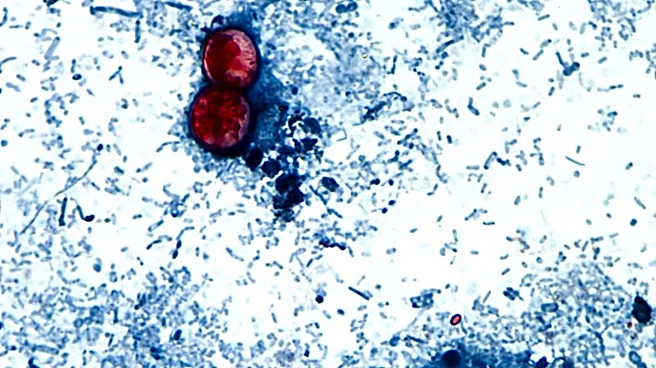
An outbreak of cyclosporiasis, an intestinal illness caused by the parasite Cyclospora, has been reported in 31 U.S. states, according to the Centers for Disease Control and Prevention (CDC). As of the latest update, there have been 843 reported cases,
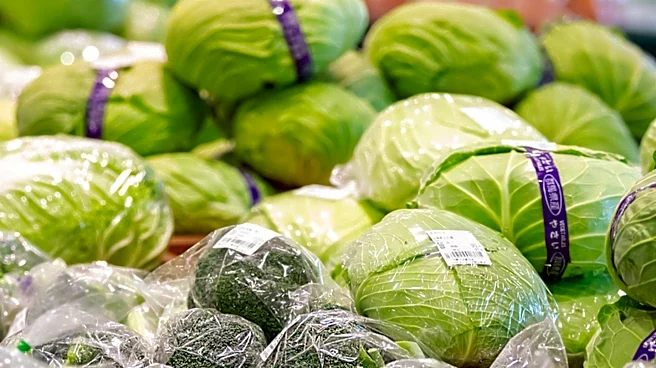
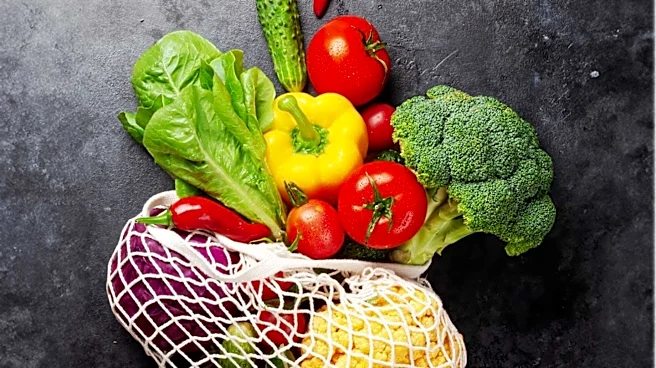
with the actual number likely higher due to underreporting and delays in symptom onset. The illness, which causes symptoms such as diarrhea, nausea, and fatigue, is typically contracted through consuming contaminated food or water. Previous outbreaks have been linked to fresh produce, including lettuce and salads. The CDC is currently investigating the source of the outbreak, which has led to 86 hospitalizations but no reported deaths. The hardest-hit areas include the Midwest and Northeast, with significant case numbers in states like Michigan and New York.
Why It's Important?
The resurgence of cyclosporiasis poses a significant public health challenge, particularly as it affects a wide geographic area across the United States. The outbreak underscores the vulnerabilities in the food supply chain, especially concerning fresh produce, which can be easily contaminated. This situation highlights the need for stringent food safety measures and rapid response mechanisms to prevent widespread illness. The economic impact could be substantial, affecting the agricultural sector and potentially leading to increased scrutiny and regulation of food imports. Public health systems may also face increased pressure to manage and contain the outbreak, emphasizing the importance of effective disease surveillance and reporting systems.
What's Next?
The CDC continues its investigation to identify the source of the outbreak, which involves interviewing affected individuals to trace back their food consumption history. This process is complicated by the time lag between infection and symptom onset, which can make it difficult for individuals to recall their dietary intake accurately. Public health officials are likely to issue further guidance on food safety practices, particularly concerning the handling and preparation of fresh produce. As the investigation progresses, there may be recalls of specific food items if they are identified as the source of contamination. The situation will require ongoing monitoring and collaboration between federal and state health agencies to mitigate the outbreak's impact.