


What's Happening?
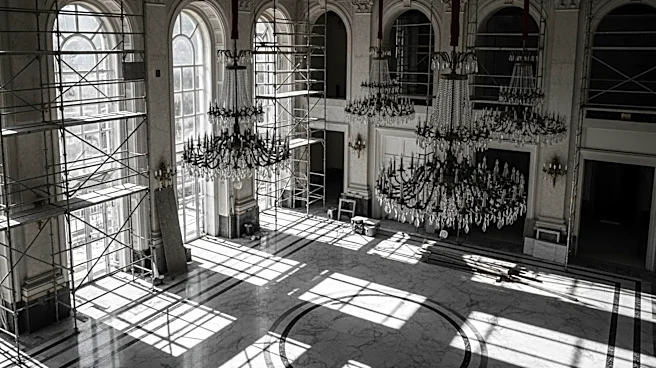
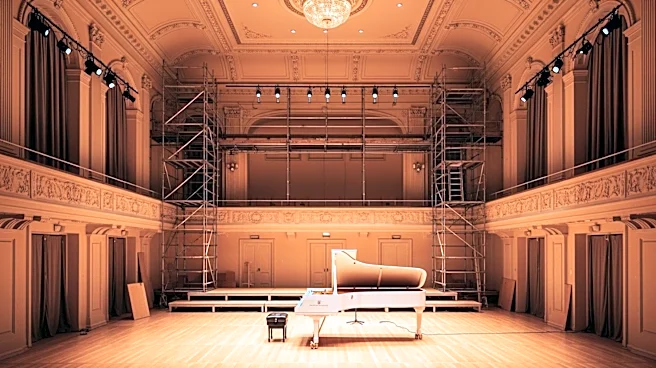
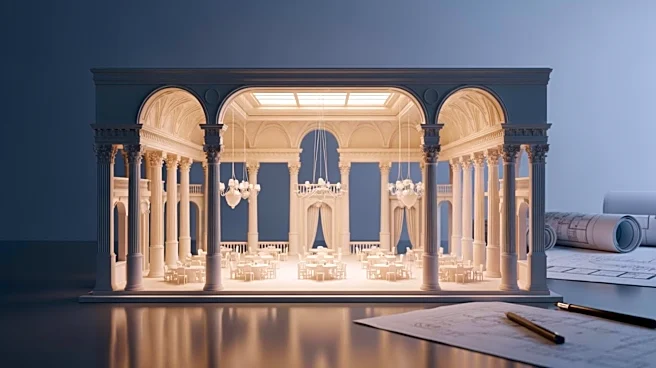
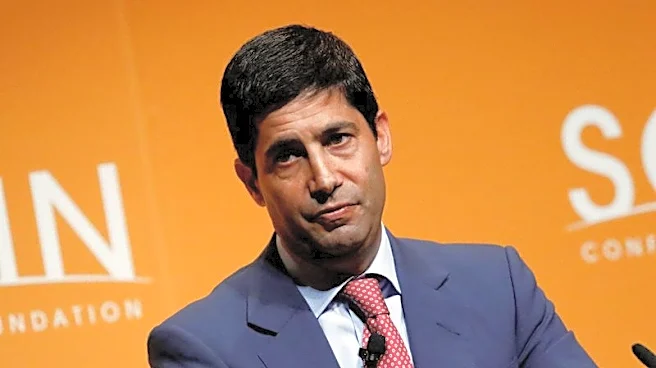
The John F. Kennedy Center for the Performing Arts in Washington, D.C., is set to close for a two-year renovation starting in July, as announced by its new executive director, Matt Floca. The renovation, which is supported by nearly $257 million from
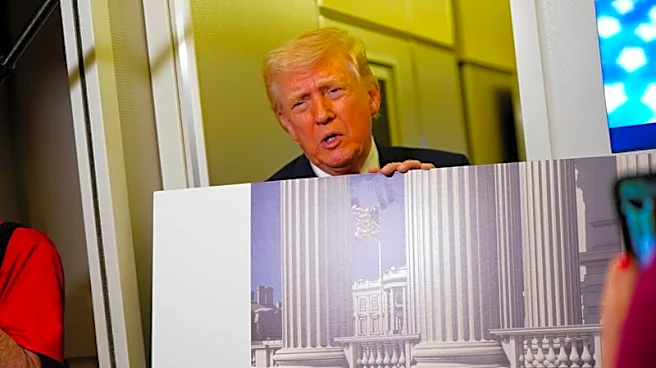
Congress, aims to address severe water damage and outdated equipment within the 1.5 million square foot facility. President Trump, who has taken a hands-on approach to the project, has been instrumental in the decision to close the building entirely for the duration of the renovation. This move follows his broader efforts to reshape cultural institutions during his second term, including replacing the Kennedy Center's leadership with a board he selected. The renovation will focus on structural repairs, with some updates to public areas, but the iconic elements of the venue, such as the Opera House decor and the bust of President Kennedy, will remain unchanged.
Why It's Important?
The renovation of the Kennedy Center is significant as it reflects President Trump's influence on cultural institutions and his direct involvement in their management. The closure of such a prominent venue for two years will impact the cultural landscape of Washington, D.C., potentially affecting tourism and local businesses. The project also highlights the ongoing debate over federal funding for the arts and the role of government in cultural preservation. The renovation could set a precedent for how similar projects are managed in the future, particularly regarding the balance between public funding and private donations. Additionally, the involvement of a sitting president in the detailed planning of such a project is unusual and underscores the political dimensions of cultural management.
What's Next?
As the Kennedy Center prepares for its closure, plans are being developed to manage staffing and operations during the renovation. The institution will likely seek additional private donations to refurbish exclusive areas. Once the renovation is complete, the Kennedy Center will need to reestablish its position as a leading cultural venue, potentially facing challenges in attracting artists and audiences back after the hiatus. The reopening will coincide with the final months of President Trump's presidency, which may influence the public's perception of the changes made. The project will be closely watched by lawmakers, donors, and the public, as it may influence future decisions regarding federal support for cultural institutions.