







What's Happening?
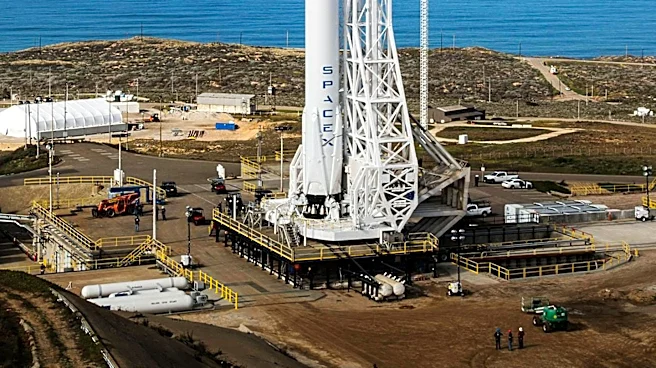
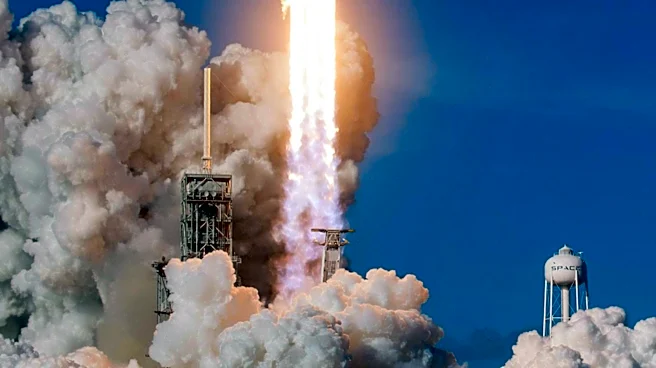
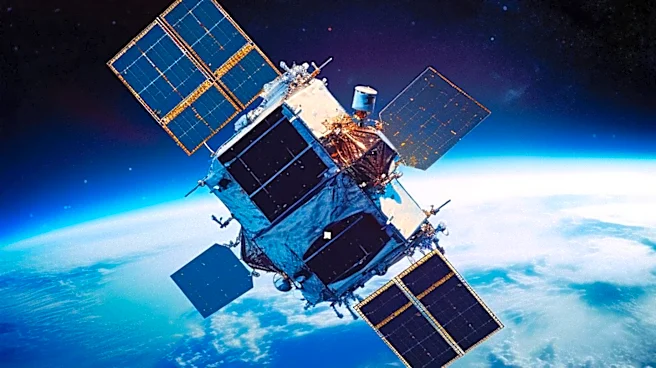
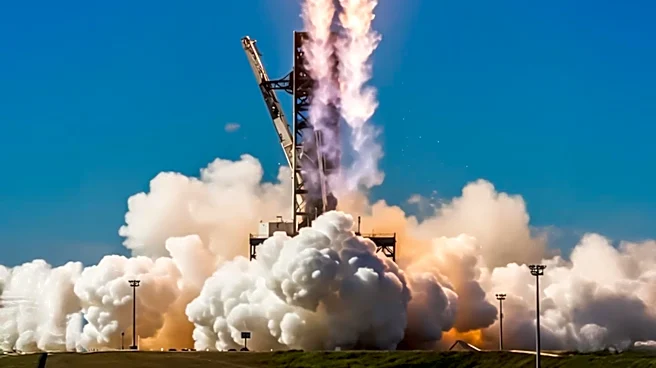
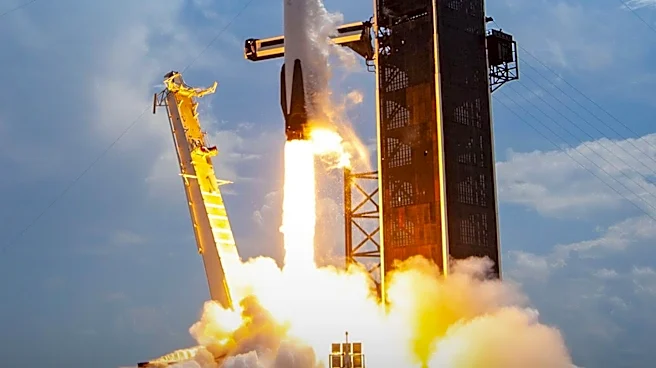
On July 7, 2026, South Korea successfully launched its first satellite dedicated to agricultural and forestry purposes using a SpaceX Falcon 9 rocket from Vandenberg Space Force Base in California. This satellite, developed in collaboration with the Korea AeroSpace
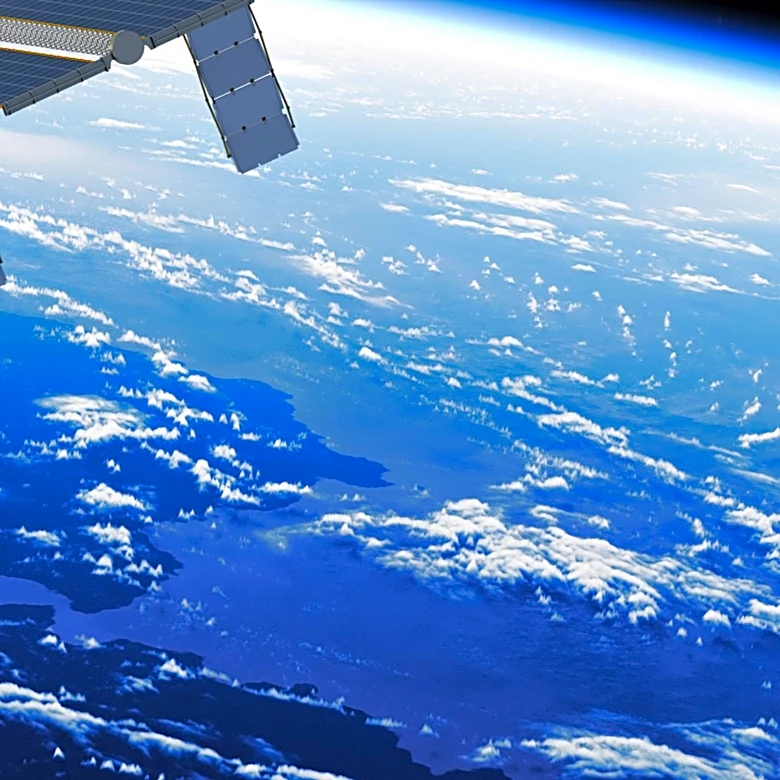
Administration, the Rural Development Administration, and the Korea Forest Service, marks a significant milestone for South Korea in reducing its dependence on foreign satellite data. The satellite is equipped with a wide-area camera capable of capturing images of a 120-kilometer swath at a five-meter resolution, allowing it to photograph the entire Korean Peninsula every three days. It is expected to support various applications, including crop monitoring, wildfire damage assessment, and climate change research. The satellite will undergo initial operations for about four months before commencing full-scale operations in the first half of 2027.
Why It's Important?
This development is crucial for South Korea as it seeks to enhance its self-reliance in satellite data for agricultural and forestry monitoring, which has traditionally been sourced from Europe and other international providers. By developing its own satellite capabilities, South Korea aims to bolster its domestic aerospace industry and secure its independent space development capabilities. The project, led by Korea's private aerospace sector, involved significant domestic production, with over 75% of the satellite's components produced locally. This initiative not only strengthens South Korea's technological capabilities but also positions the country to expand its satellite exports to regions such as the Middle East and South America, potentially boosting its economic and technological influence globally.
What's Next?
Following the successful launch, the satellite will undergo a four-month period of initial operations to ensure all systems are functioning correctly. During this time, engineers will verify the deployment of solar panels and the satellite's entry into its intended orbit. Once full-scale operations begin in 2027, the satellite will provide critical data for various applications, enhancing South Korea's ability to monitor and respond to agricultural and environmental challenges. The Korea AeroSpace Administration plans to leverage the standardized satellite platform developed through this project to further expand its satellite export capabilities, potentially opening new markets and opportunities for South Korea's aerospace industry.