
What's Happening?
The Miami Asylum Office, a key component of U.S. Citizenship and Immigration Services (USCIS), is experiencing heightened pressure due to a surge in asylum applications and evolving legal and political
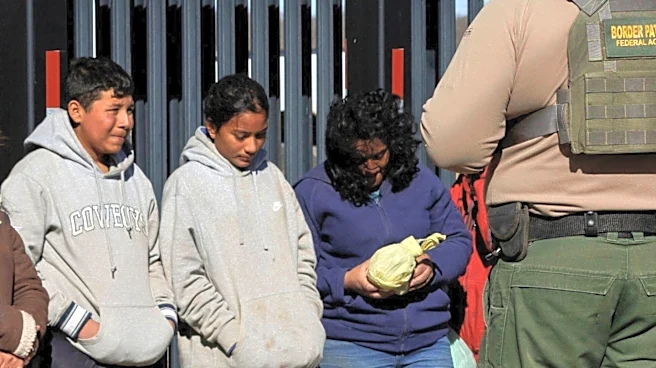
landscapes. Located in a major entry point for asylum seekers from the Caribbean and Latin America, the office conducts credible fear screenings and comprehensive asylum interviews. Recent policy shifts, including the termination of Title 42 and 'Remain in Mexico' policies, have significantly increased its caseload. Additionally, court orders and policy changes have broadened the grounds for asylum to include domestic violence and gang persecution, adding complexity to adjudications. The office faces substantial backlogs, leading to multi-year waits for interviews, which leaves asylum seekers in prolonged uncertainty despite work authorization. This situation highlights the delicate balance between national security protocols and humanitarian needs, as officers must rigorously apply legal standards while addressing the profound vulnerability of applicants fleeing life-threatening situations.
Why It's Important?
The operations and decisions of the Miami Asylum Office have far-reaching implications beyond South Florida, influencing national asylum statistics, border security strategies, and international relations. Its challenges, such as backlogs and the need to adapt to new legal interpretations, reflect broader national debates on immigration policy. The office's role is critical in determining the fate of thousands seeking refuge, directly impacting whether individuals can remain in the U.S. or face return to dangerous conditions. The increased caseload and policy shifts also strain resources and personnel, who operate under intense scrutiny. The outcomes in Miami serve as a microcosm of the U.S. immigration system's capacity to balance its legal and moral obligations to protect those fleeing persecution with concerns over national sovereignty and border control. The office's ability to efficiently and fairly process claims is central to the integrity and humanitarian standing of the U.S. asylum system.
Beyond the Headlines
The ongoing challenges at the Miami Asylum Office underscore deeper ethical and systemic issues within the U.S. immigration framework. The prolonged waiting periods for asylum seekers, often spanning years, create significant psychological and economic burdens, forcing individuals to live in a state of limbo. This situation can exacerbate trauma for those who have fled persecution and must repeatedly recount their experiences in formal settings. The evolving legal interpretations, particularly regarding domestic violence and gang persecution, reflect a societal shift in understanding the nature of persecution, pushing the boundaries of traditional asylum law. Furthermore, the office's operations highlight the tension between political directives from different administrations and the consistent application of the Refugee Act of 1980. This constant flux can lead to inconsistencies and unpredictability in outcomes, raising questions about fairness and due process for vulnerable populations seeking protection in the United States.