






What's Happening?
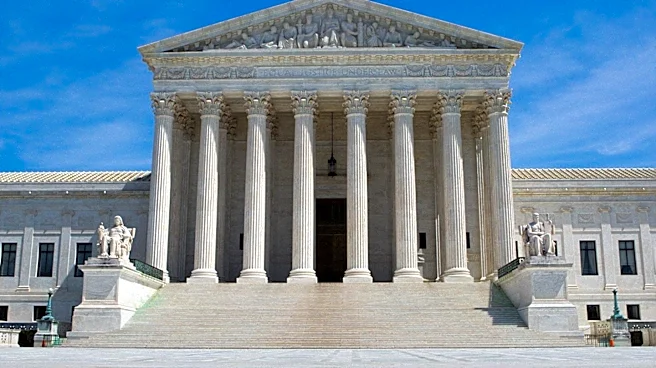
U.S. Supreme Court Justice Elena Kagan has rejected a request from surrogate McKenna West to intervene in a high-profile custody battle over a baby born in Dallas, Texas. The decision means a California couple, Nausheen Gilkar and Omar Ahmed, will maintain
custody of their biological child. West, an Alaskan nurse, had sought conservatorship over the child, which would have granted her a say in the baby's medical treatment. She also aimed to block a lower-court ruling that favored the biological parents. Justice Kagan, who oversees emergency court requests from California, did not provide an explanation for her order. The dispute began after the fetus was diagnosed with hypoplastic left heart syndrome, a life-threatening condition requiring multiple surgeries. The biological parents had asked West to terminate the pregnancy, but she refused and moved to Texas, where abortion is banned, seeking custody. Texas courts, aligning with California decisions, have consistently ruled against West's custody requests.
Why It's Important?
This Supreme Court decision, though a rejection of intervention, underscores the complex legal and ethical challenges arising from surrogacy arrangements, particularly when medical complications and disagreements between parties emerge. The case highlights the varying legal landscapes across states regarding parental rights, surrogacy contracts, and medical decision-making for newborns. The outcome reinforces the legal standing of biological parents in surrogacy cases, even when disputes arise over medical care and parental intent. For the surrogacy industry, this case could influence future contract formulations, potentially leading to more explicit clauses addressing medical emergencies and parental responsibilities. It also brings to light the emotional and personal toll such legal battles take on all parties involved, including the surrogate, the biological parents, and the child requiring critical medical attention. The case's journey through multiple jurisdictions, including state courts and the U.S. Supreme Court, illustrates the legal complexities involved in resolving such disputes.
What's Next?
Following Justice Kagan's decision, the California couple, Nausheen Gilkar and Omar Ahmed, are expected to bring their child, Rumi, back to Los Angeles for continued medical care. Doctors at Children's Hospital in Dallas have testified that the parents have agreed to the recommended treatment, and the Texas Supreme Court has also declined to prevent the parents from taking Rumi to California. While McKenna West is disappointed with the Supreme Court's non-intervention, her attorney, Lincoln Davis Wilson, expressed satisfaction that the legal fight has led the biological parents to publicly acknowledge their commitment to providing life-saving care. The ongoing medical treatment for Rumi's hypoplastic left heart syndrome will be a primary focus. The case may also prompt further discussions and potential legislative considerations regarding surrogacy laws, particularly concerning medical decision-making and dispute resolution mechanisms in such arrangements.
Beyond the Headlines
This case delves into profound ethical and legal questions surrounding reproductive rights, parental autonomy, and the welfare of a child born through surrogacy with a severe medical condition. The surrogate's refusal to terminate the pregnancy, despite the biological parents' request, and her subsequent move to Texas, where abortion is banned, highlights the intersection of personal beliefs, state laws, and contractual obligations. The legal battle also brings to the forefront the emotional investment of a surrogate mother, who, despite not being the biological parent, developed a deep concern for the child's well-being. The differing perspectives on what constitutes 'best interest' for the child—whether it's the biological parents' right to decide or the surrogate's perceived moral obligation—create a complex ethical dilemma. This case could contribute to a broader societal conversation about the rights and responsibilities of all parties in surrogacy, especially when unforeseen medical challenges arise, potentially influencing future legal frameworks and ethical guidelines in reproductive medicine.