




What's Happening?
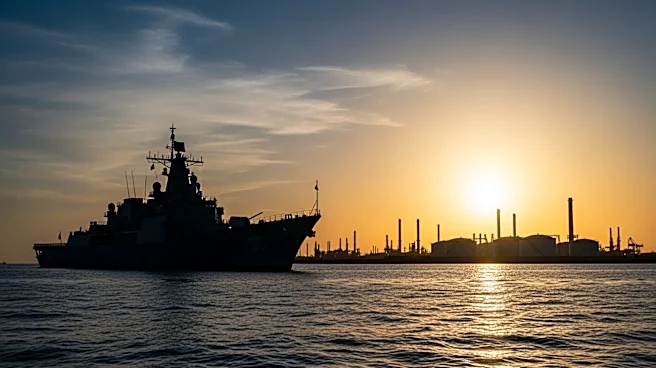
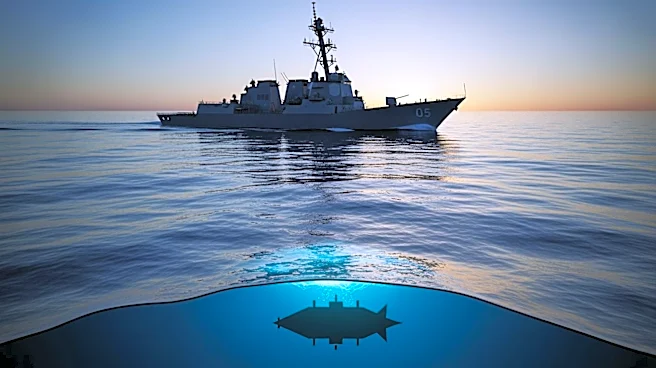
The U.S. Navy has initiated a blockade against Iran, effectively halting economic trade by sea. This action, announced by Adm. Brad Cooper of the U.S. Central Command, aims to pressure the Iranian economy by stopping vessels from entering or leaving Iranian ports.
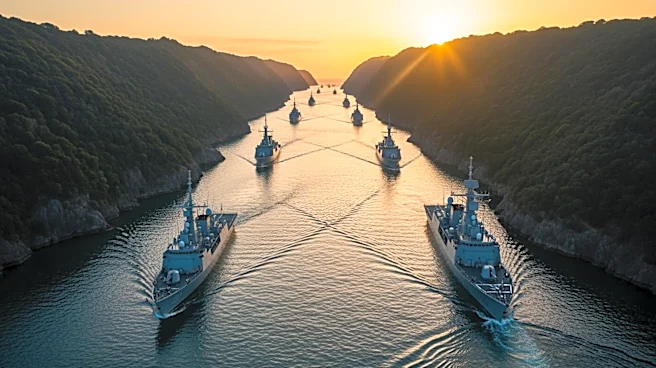
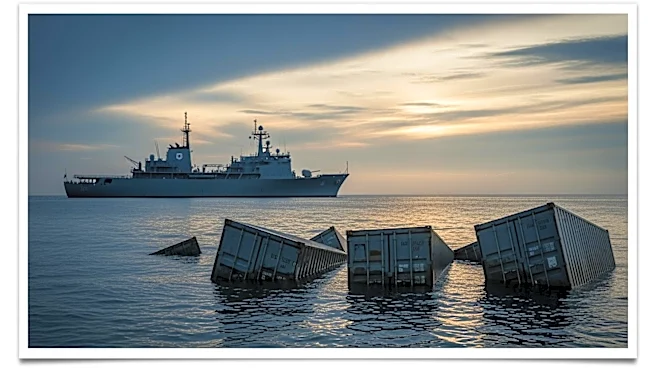
The blockade is being enforced impartially against all nations' vessels in the Gulf of Oman and beyond the Strait of Hormuz. Shipping data indicates that Iran-linked vessels have been forced to turn around, complicating the shipping situation with jamming and faking of location systems. The blockade has already seen nine vessels comply with U.S. forces' directions to return to Iranian ports. The U.S. military is using more than just automated tracking systems to enforce the blockade, ensuring that no vessels have passed U.S. naval forces during the first 48 hours.
Why It's Important?
The blockade represents a significant escalation in U.S.-Iran tensions, potentially impacting global oil markets and economic stability. By cutting off Iran's maritime trade, the U.S. aims to exert economic pressure, particularly on Iran's oil industry, which is crucial for its economy. The blockade could lead to increased oil prices and contribute to global economic uncertainty, affecting countries reliant on Gulf oil exports. Additionally, the blockade's enforcement challenges international maritime law and could provoke further geopolitical tensions, especially if Iran retaliates by blocking trade routes in the region.
What's Next?
Iran has threatened to block exports and imports across the Persian Gulf if the U.S. does not lift the blockade, which could further escalate tensions and disrupt global trade. The U.S. and its allies may need to prepare for potential military or diplomatic responses from Iran. The situation could also lead to increased diplomatic efforts to de-escalate tensions and find a resolution to the ongoing conflict.