





What's Happening?
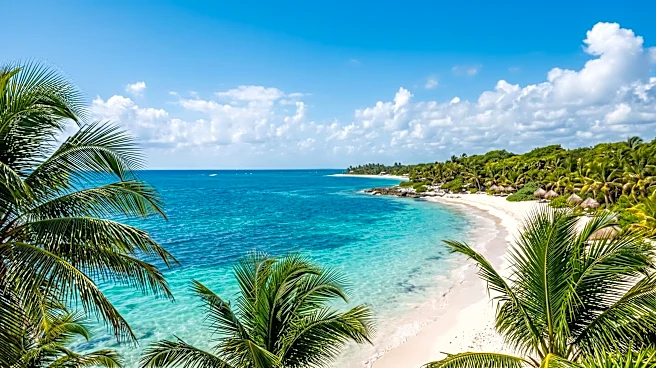
Tulum, Mexico, a popular tourist destination, has experienced a significant downturn in its tourism sector. Hotel occupancy rates plummeted to 49.2% in September 2025, down from 66.7% the previous year, with some coastal hotels reporting as low as 15%
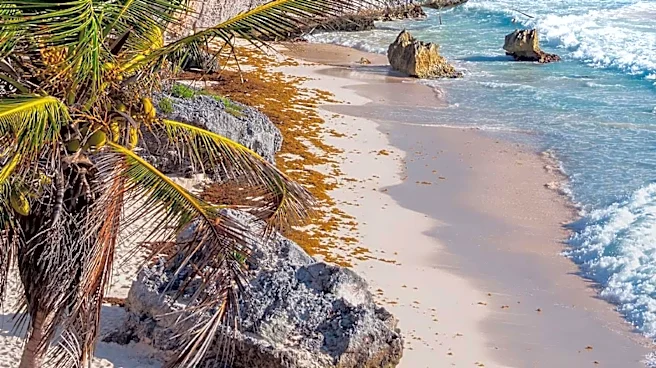
occupancy during the summer. Tourist arrivals between January and July saw a one-third reduction compared to the same period last year. This decline is attributed to several factors, including a severe sargassum seaweed problem, high prices, and limited public beach access. In response, the Mexican federal government has launched a 2.64 billion peso plan, led by the navy, to combat sargassum with collection boats, 35 kilometers of barriers, and an early warning system, designating Tulum as a priority zone. Additionally, the local 'Plan Tulum Renace,' initiated in November 2025 and expanded in July, has created 10 free public beach accesses, made entry to Parque del Jaguar free, and reduced archaeological zone fees by up to half, while also monitoring prices to improve visitor experience and reputation.
Why It's Important?
The struggles in Tulum's tourism industry highlight broader challenges faced by popular international destinations that rely heavily on natural attractions and visitor satisfaction. The decline in tourism revenue impacts local businesses, employment, and the regional economy. The government's substantial investment in sargassum management underscores the critical need for environmental stewardship in maintaining tourist appeal, especially in coastal areas vulnerable to climate-related issues. Furthermore, the 'Plan Tulum Renace' reflects a crucial shift towards addressing visitor complaints regarding accessibility and pricing, which are vital for long-term sustainability in the competitive global tourism market. The success or failure of these initiatives could serve as a case study for other destinations grappling with similar environmental and economic pressures, influencing future tourism policies and investment strategies in the region and beyond.
What's Next?
Tulum is currently undergoing a period of recalibration, with expectations of a 'selective recovery' rather than a return to its pre-2021 boom. The high season in November saw an occupancy rate of 75.8%, indicating potential for improvement. Several airlines, including United, Air Canada, Air Transat, and WestJet, are reinstating eight international routes for the winter season, and Mexicana is adding 24 flights, suggesting renewed interest and accessibility. New construction has significantly slowed, with no new housing projects registered in Tulum as of August, indicating a market correction from previous overdevelopment. The focus is now on attracting visitors who seek well-located, well-built, fairly priced, and well-designed experiences. The ongoing efforts to clean coasts, open beaches, and control prices are expected to continue, aiming to restore Tulum's reputation and premium appeal.
Beyond the Headlines
The current situation in Tulum reveals a deeper narrative about the evolution of popular tourist destinations and the delicate balance between rapid development and sustainable growth. The 'Tulum style' architecture and wellness culture, which contributed to its unique identity, remain intact despite the recent downturn, suggesting that its core appeal extends beyond just its beaches. The market correction, characterized by the closure of some businesses and a halt in new construction, indicates a necessary self-regulation after a period of unsustainable expansion. This phase could lead to a more mature and resilient tourism model, prioritizing quality over quantity and fostering a more authentic visitor experience. The emphasis on preserving cultural and natural assets, such as cenotes and the Sian Ka’an UNESCO World Heritage site, reinforces the idea that a destination's intrinsic value is its most enduring asset, transcending temporary challenges like sargassum or economic fluctuations.