






What's Happening?
The U.S. Embassy in San José, Costa Rica, has issued a health alert advising its personnel to seek alternative medical care due to a Salmonella outbreak at Hospital CIMA in Escazú. The Costa Rica Ministry of Health is actively investigating the foodborne
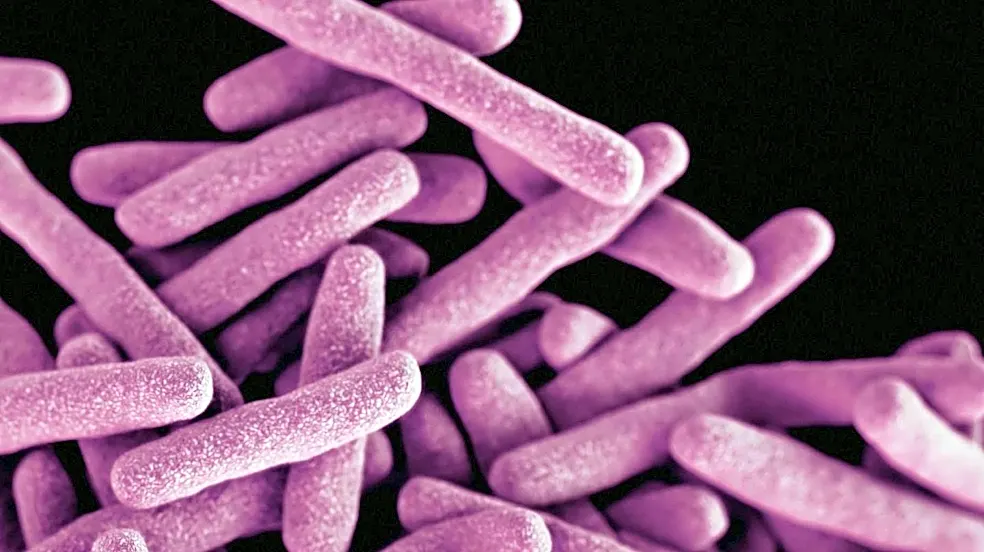
illness, which has affected workers at the hospital. Preliminary information indicates 66 suspected cases, with two laboratory-confirmed cases and two hospitalizations. No deaths have been reported. Symptoms among those affected include diarrhea, abdominal pain, nausea, vomiting, fever, and general malaise. Laboratory tests have identified the presence of Salmonella spp., guiding ongoing epidemiological and microbiological actions. Dr. Christian Valverde, Director General of Health, stated that authorities are analyzing data to identify the common exposure factor and transmission mechanism to clarify the outbreak's origin.
Why It's Important?
This health alert from the U.S. Embassy underscores potential health risks for American citizens and personnel traveling or residing in Costa Rica. While the outbreak is currently confined to hospital workers, the advisory suggests a broader concern about the safety of medical facilities in the region. For U.S. citizens, particularly those who might rely on international medical services, such alerts can influence travel decisions and healthcare planning. The situation highlights the importance of robust public health surveillance and rapid response mechanisms in tourist-dependent economies like Costa Rica, as health incidents can impact international relations and tourism. The involvement of the U.S. Embassy indicates a direct concern for the well-being of its staff and potentially other Americans in the country.
What's Next?
The Costa Rica Ministry of Health will continue its investigation to pinpoint the exact source and transmission mechanism of the Salmonella outbreak at Hospital CIMA. This will involve further epidemiological and laboratory analyses. The U.S. Embassy's health alert is expected to remain in effect until the outbreak is officially resolved and the hospital environment is deemed safe. Depending on the findings, the Ministry of Health may implement additional public health measures, such as enhanced sanitation protocols or temporary restrictions, to prevent further spread. Travelers to Costa Rica, especially U.S. citizens, will likely monitor updates from both local health authorities and the U.S. Embassy regarding the safety of medical facilities and general health precautions.
Beyond the Headlines
The incident at Hospital CIMA in Costa Rica brings to light the interconnectedness of global health and travel. Even in seemingly advanced medical facilities, outbreaks of common pathogens like Salmonella can occur, posing risks to both local populations and international visitors. This event could prompt a review of health and safety standards in medical tourism destinations, as patient confidence is paramount. For U.S. citizens, it reinforces the need for comprehensive travel insurance and awareness of local health advisories. The situation also highlights the role of diplomatic missions in safeguarding the health of their citizens abroad, often acting as a critical source of information and guidance during public health crises.