

What's Happening?
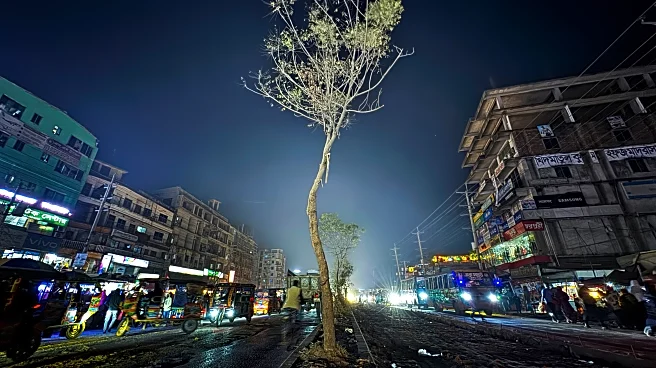
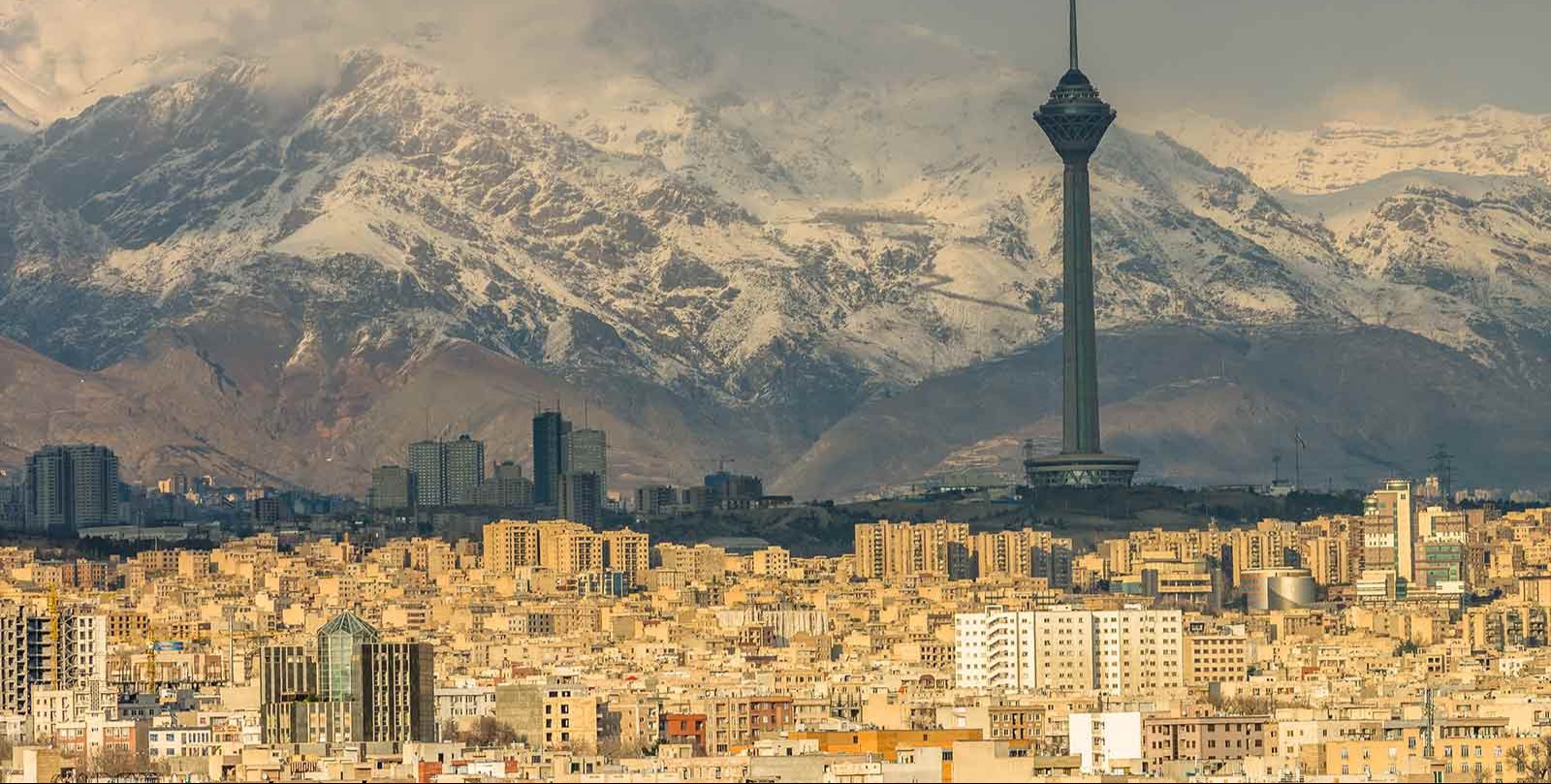
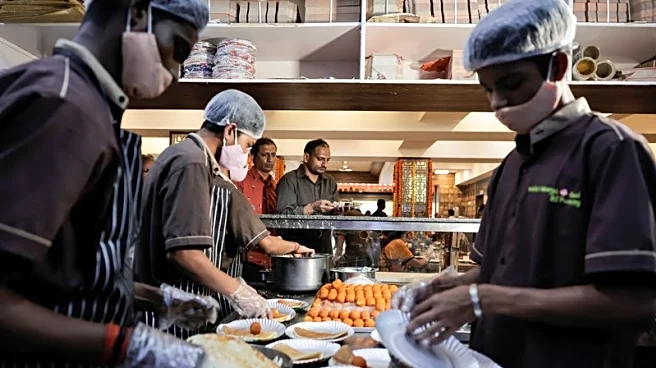
The European Union announced plans to drastically reduce asylum claims from seven nations, including Bangladesh, Colombia, Egypt, Kosovo, India, Morocco, and Tunisia, by designating them as safe countries of origin. This decision, made on International
Migrants’ Day, has sparked outrage from human rights groups. The EU's agreement allows for fast-tracking asylum requests from these countries, requiring applicants to prove that they should not be subject to this provision. The move is part of broader reforms to the EU's asylum system, which aims to address issues that have divided member states since the 2015 migrant crisis.
Why It's Important?
The EU's decision to classify certain countries as safe could significantly impact asylum seekers from these regions. By fast-tracking claims, the EU aims to streamline its asylum process and reduce the backlog of cases. However, human rights organizations argue that this approach may endanger individuals who face persecution or violence in their home countries. The policy reflects the EU's ongoing struggle to balance border security with humanitarian obligations, highlighting the complexities of managing migration in a politically diverse union.
What's Next?
The EU's new asylum policy is set to take effect in June 2026, under the Pact on Migration and Asylum. Member states will need to implement these changes, which may involve establishing return hubs outside the EU's borders. The policy could lead to increased cooperation with third countries to manage migration flows. However, it may also face legal challenges from human rights advocates who argue that it violates international obligations to protect vulnerable individuals.
Beyond the Headlines
The EU's asylum policy raises broader questions about the ethical responsibilities of wealthy regions in addressing global migration. The designation of safe countries may oversimplify complex situations, potentially overlooking the nuanced realities faced by asylum seekers. This approach could set a precedent for other regions grappling with migration issues, influencing global norms around asylum and refugee protection.