

What's Happening?
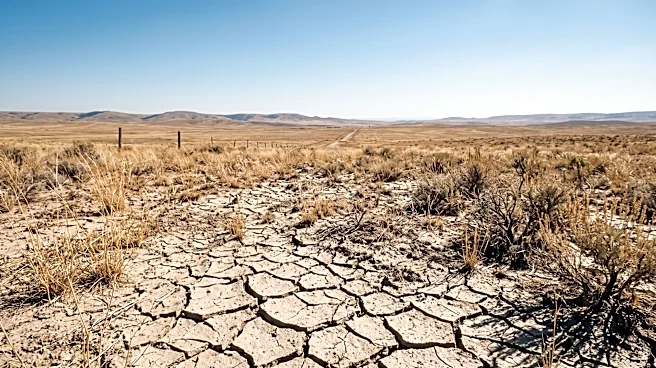
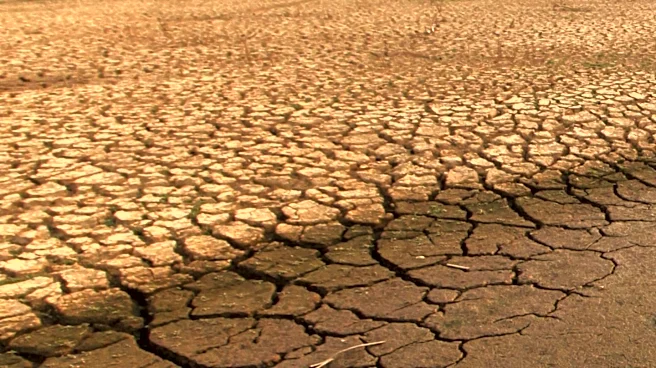
Colorado's Western Slope has largely recovered from 15 months of extreme drought conditions, with Pitkin and Garfield counties experiencing significant rainfall in September and October. This precipitation has reduced the area of the state in extreme or exceptional
drought from 44% in mid-September to just 11%. Despite the recent wet spell, regional water experts are preparing for a long-term climate trend of warmer and drier conditions. Last year, 2026, was Colorado's hottest and third driest on record, posing unprecedented water challenges. Water planners, municipalities, and climatologists are now analyzing lessons learned from this period to inform future water management strategies. The Roaring Fork Watershed Fall Summit recently brought together experts in Carbondale to discuss how regional collaboration helped maintain water supplies and support agriculture during the severe drought.
Why It's Important?
The recovery from extreme drought on Colorado's Western Slope is significant for the region's agriculture, ecosystems, and urban water supply. The past year's challenges, including record-low snowpack and dangerously warm river temperatures for fish, highlighted the vulnerability of the state's water systems. The collaborative efforts among water planners and providers, such as increasing releases from the Ruedi Reservoir to supplement flows and cool rivers, demonstrate adaptive strategies in action. However, the underlying concern remains the long-term forecast of a warmer and drier climate, which could strain water resources further. This situation underscores the critical need for robust water management policies and infrastructure to ensure sustainability for both human populations and natural habitats in the American West, where water rights and environmental needs often conflict.
What's Next?
While recent rains have alleviated immediate drought concerns, water experts are focusing on long-term preparedness for a projected warmer and drier climate in Colorado. The lessons learned from the 2026 drought, particularly the importance of early and open communication and regional collaboration, will be crucial for future water management. Although a "super" El Niño season might suggest a wetter winter, historical data for the Roaring Fork Valley indicates that such events have more often led to drier-than-average winters. Therefore, water planners will likely continue to prioritize conservation, efficient water use, and strategic reservoir management. The autumn rains are expected to help replenish soil moisture and contribute to the snowpack, which will be vital for reservoir levels next spring. Continued dialogue and adaptive strategies among stakeholders will be essential to navigate the evolving climate challenges.
Beyond the Headlines
The situation in Colorado's Western Slope reflects a broader challenge facing the American West: managing finite water resources in the face of climate change. The conflict between historical water rights, often prioritizing agriculture, and the ecological needs of rivers and wildlife is a persistent issue. The experience of 2026, with its record heat and dryness, serves as a stark reminder of the potential for severe water scarcity. This necessitates a re-evaluation of water valuation, moving beyond treating it solely as a commodity for human use to recognizing its integral role in complex ecological systems. The emphasis on collaborative approaches and technological innovations like precision agriculture and urban water recycling points towards a future where sustainable water management requires balancing diverse stakeholder needs and investing in resilient infrastructure and practices.