

What's Happening?
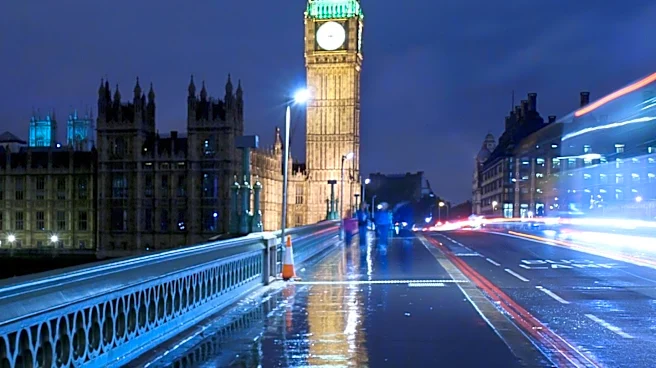
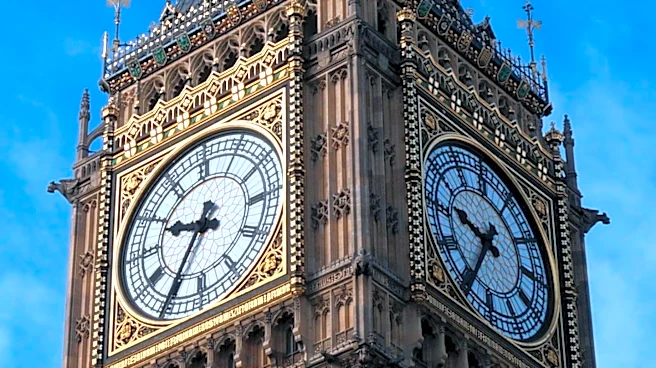
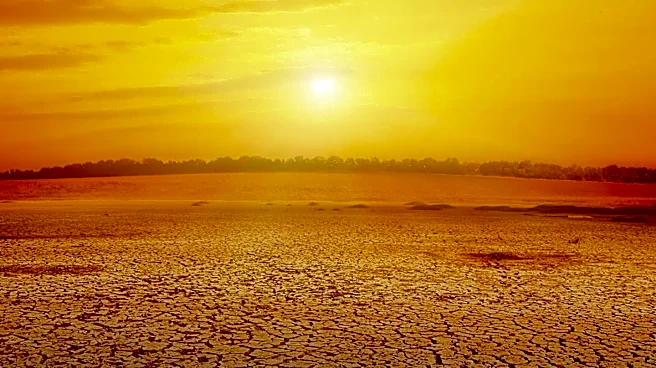
A significant portion of England has been officially declared in drought due to a prolonged heatwave and lack of rainfall. The affected regions include East Anglia, Hertfordshire, London, Thames Valley, Hampshire, Isle of Wight, Devon, Cornwall, West
Midlands, and Wessex. The Environment Agency reports that rivers are running low, farmers are harvesting crops early, and millions face water use restrictions. The drought follows a dry spring and wet winter, described as 'climate whiplash' by meteorologists. A cross-government task force has been launched to secure water supplies into autumn, focusing on leak prevention.
Why It's Important?
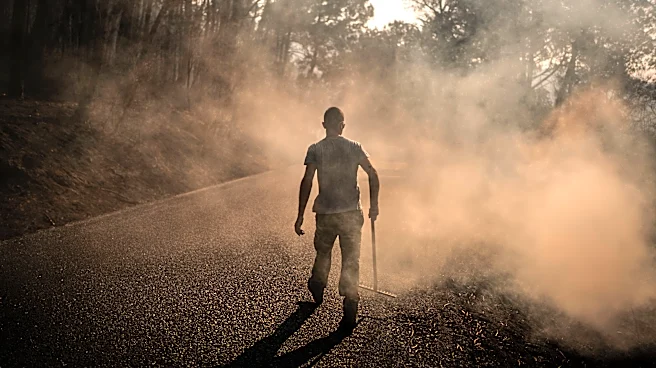
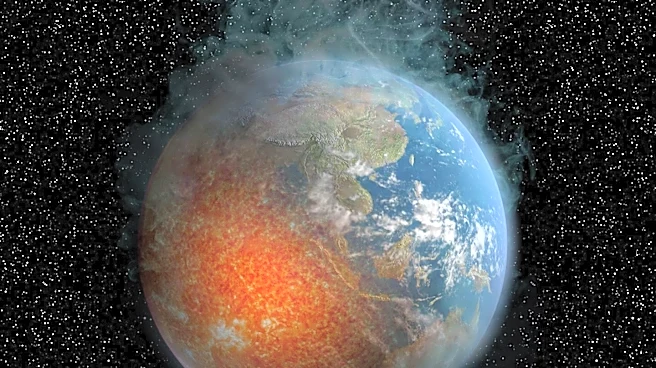
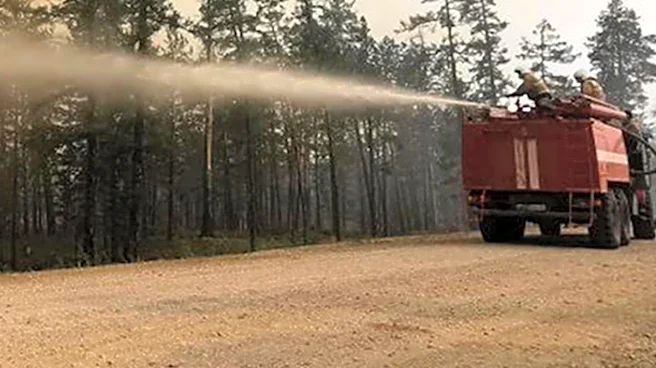
The drought poses significant challenges for the UK, impacting agriculture, water supply, and increasing wildfire risks. It underscores the growing threat of climate change, with droughts becoming more frequent. The situation affects the economy, environment, and public health, necessitating urgent measures to manage water resources and mitigate impacts. The declaration highlights the need for long-term strategies to adapt to changing climate conditions and ensure sustainable water management.
What's Next?
The UK government is expected to intensify efforts to manage water resources, including implementing stricter conservation measures and investing in infrastructure to prevent leaks. The drought may prompt policy discussions on climate change adaptation and resilience. Stakeholders, including farmers and environmental groups, will likely advocate for more robust support and resources to cope with the ongoing challenges.