








What's Happening?
Mississippi State University (MSU) recently co-hosted the inaugural Magnolia Crucible forum alongside the Federal Bureau of Investigation (FBI) and the Mississippi National Guard. This two-day event, held at Camp Shelby Joint Forces Training Center, focused
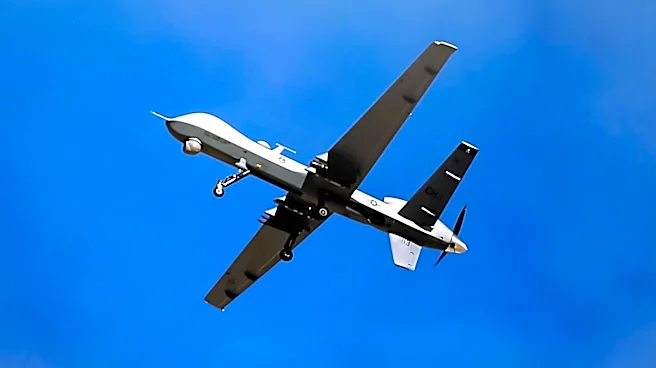
on national security and military readiness. The forum and exercise brought together military personnel, law enforcement officials, academic experts, and industry partners. Its primary objective was to test and integrate emerging unmanned aircraft systems (UAS) and counter-UAS technologies. Key attendees included Jeffery Gonzales, Mississippi Cyber Initiative cyber range engineer; Shelly Hollis, MSU Center for Cyber Education director; George Trawick, MSU Center for Cyber Innovation director; Jim Martin, MSU associate vice president of Corporate Engagement and Economic Development; Brian Locke, MSU assistant police chief; Bryan Farrell, MSU Raspet Flight Research Laboratory director; Brigadier General Jamie Hankins, Mississippi National Guard Joint Staff; and Brig. Gen. Andrew Rendon, Mississippi National Guard and MSU Veterans Affairs executive director. The collaboration underscores a concerted effort to enhance national security capabilities through technological advancement and inter-agency cooperation.
Why It's Important?
This initiative is important for U.S. national security as it directly addresses the evolving threats posed by unmanned aircraft systems. By integrating and testing counter-UAS technologies, the forum aims to bolster defense mechanisms against potential adversaries and illicit activities. The involvement of academic institutions like Mississippi State University, alongside federal agencies such as the FBI and military branches like the National Guard, signifies a comprehensive approach to national defense that leverages diverse expertise. This collaboration can lead to the development of more effective and innovative solutions for detecting, tracking, and neutralizing hostile drones. Furthermore, it fosters a critical dialogue and operational synergy between different sectors, which is essential for responding to complex security challenges. The focus on military readiness also ensures that U.S. forces are equipped with cutting-edge tools and strategies to maintain a technological advantage.
What's Next?
The inaugural Magnolia Crucible forum is likely to serve as a foundational event for future collaborations and advancements in UAS and counter-UAS technologies. Following the testing and integration of these systems, the next steps will likely involve further refinement of the technologies based on the insights gained from the exercise. This could include developing new protocols for deployment, enhancing training programs for personnel, and potentially influencing policy decisions regarding drone usage and defense. Continued engagement between MSU, the FBI, and the National Guard is anticipated, possibly leading to more frequent forums, joint research projects, and specialized training initiatives. The success of this initial event could also encourage other academic institutions and government agencies to participate, expanding the network of expertise dedicated to national security and military readiness.
Beyond the Headlines
Beyond the immediate implications for national security, this collaboration highlights a broader trend of convergence between academic research, technological innovation, and defense strategies. Universities are increasingly becoming vital partners in addressing complex national challenges, moving beyond traditional educational roles to contribute directly to practical solutions. The focus on UAS and counter-UAS technologies also touches upon ethical and legal considerations surrounding autonomous systems and surveillance. As these technologies become more sophisticated, discussions around privacy, accountability, and the rules of engagement will become increasingly pertinent. This partnership could also stimulate economic growth in the region by fostering a hub for defense technology research and development, attracting talent and investment. The long-term impact could be a more resilient and technologically advanced national defense infrastructure, capable of adapting to future threats.