




What's Happening?
Glen Smith, USDA undersecretary for rural development, appeared on Agri-Pulse Newsmakers to discuss the Meat and Poultry Processing Expansion Program. This program is a key initiative aimed at strengthening the U.S. meat and poultry supply chain. The
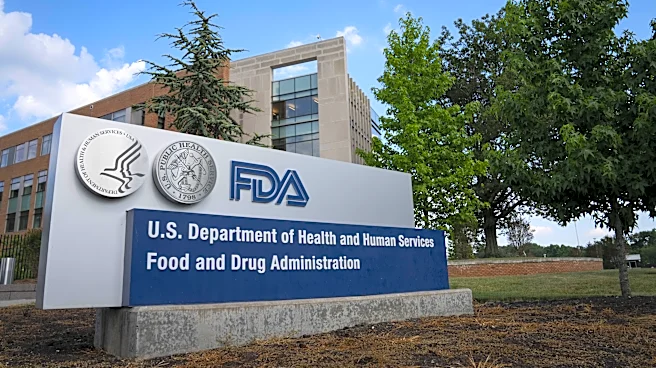
discussion, released on November 13, 2026, focused on the program's objectives and its potential impact on the industry. The segment also featured John Hollay, president and CEO of the National Council of Agricultural Employers, who addressed the ongoing challenges in farm labor and the push for H-2A reform. Additionally, Dr. Donna Garren, director of the FDA's Office of Produce Safety, provided insights into the agency's findings from the recent Cyclospora outbreak that occurred during the summer. The program covered a range of critical issues affecting the agricultural sector, from processing infrastructure to labor policies and food safety regulations.
Why It's Important?
The USDA's Meat and Poultry Processing Expansion Program is crucial for enhancing the resilience and competitiveness of the U.S. meat and poultry industry. By expanding processing capacity, the program aims to address bottlenecks in the supply chain, reduce concentration in the industry, and provide more opportunities for small and medium-sized producers. This can lead to more stable food prices for consumers and greater economic viability for rural communities. The discussion on farm labor and H-2A reform highlights persistent challenges in securing a stable and legal workforce for agriculture, which directly impacts production costs and the availability of agricultural products. Furthermore, the FDA's insights into the Cyclospora outbreak underscore the ongoing importance of food safety protocols and the need for continuous improvement in regulatory oversight to protect public health and maintain consumer confidence in the food supply.
What's Next?
The USDA's Meat and Poultry Processing Expansion Program is expected to continue its implementation, with ongoing efforts to allocate funding and support projects that increase processing capacity across the nation. Stakeholders in the meat and poultry industry will be closely watching the program's progress and its tangible effects on market dynamics and producer access. In the realm of farm labor, the push for H-2A reform will likely continue, with agricultural employer groups advocating for legislative changes to streamline the program and address labor shortages. This could involve ongoing discussions in Congress and engagement with relevant government agencies. For food safety, the FDA will likely continue to refine its produce safety guidelines based on lessons learned from outbreaks like Cyclospora, potentially leading to updated regulations or enhanced enforcement measures to prevent future incidents and ensure the safety of the food supply.
Beyond the Headlines
The discussions on Agri-Pulse Newsmakers reveal deeper systemic issues within the U.S. agricultural sector. The focus on meat processing expansion points to a broader national strategy to decentralize food production and reduce the vulnerabilities exposed during recent supply chain disruptions. This initiative could foster greater regional food systems and enhance food security. The persistent debate over farm labor and H-2A reform touches upon complex immigration policies, economic pressures on farmers, and the ethical considerations of labor practices in agriculture. The need for reform reflects a long-standing tension between the demand for affordable food and the fair treatment of agricultural workers. Finally, the FDA's post-outbreak analysis highlights the continuous, evolving challenge of foodborne illnesses, emphasizing the critical role of scientific research, public health surveillance, and industry compliance in safeguarding the nation's food supply from farm to table. These interconnected issues underscore the intricate nature of modern agriculture and its profound impact on society.